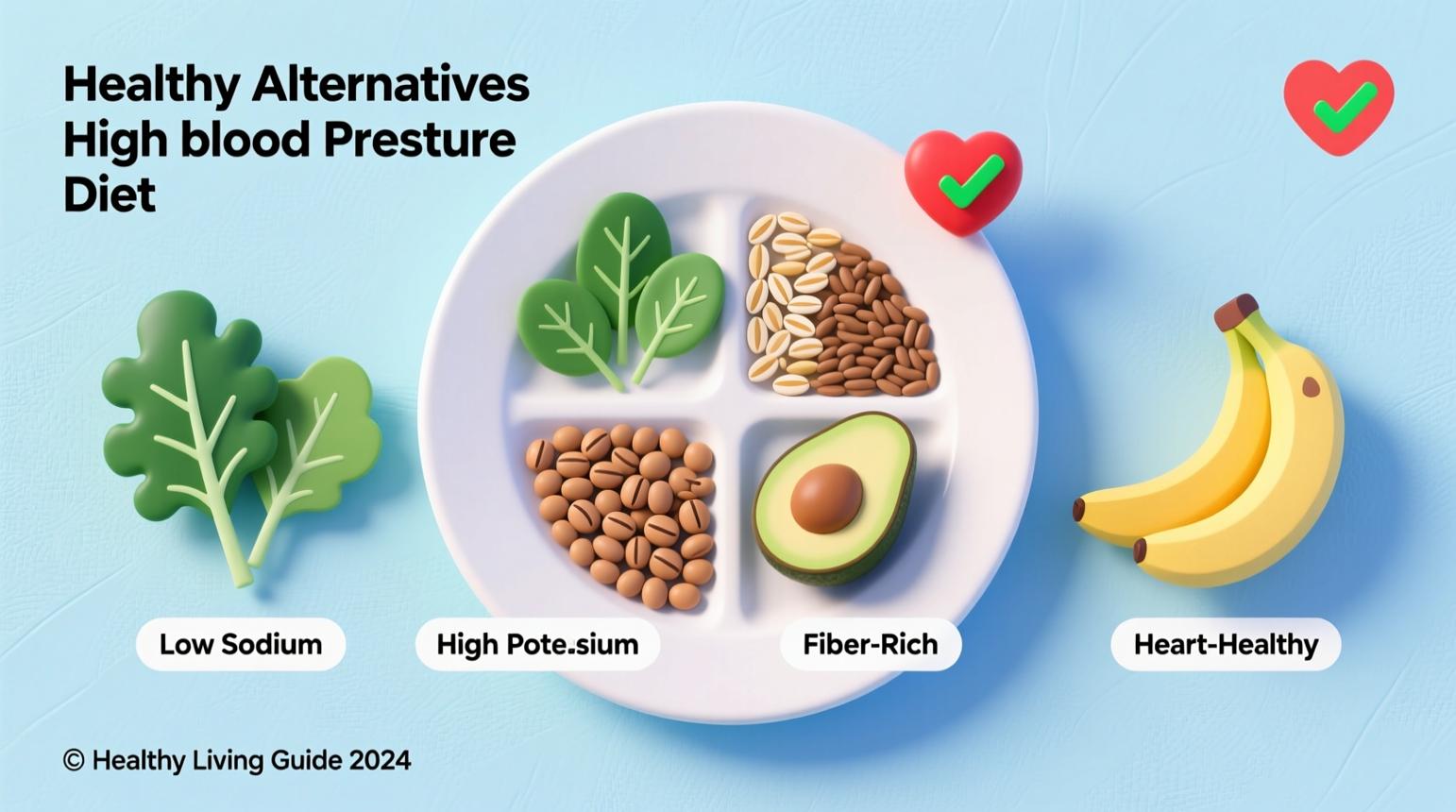
Understanding the Balance Between Potassium and Sodium for Better Blood Pressure, Heart Health, and Long-Term Cardiovascular Protection
Category: Cardiovascular Health · Nutrition · Public Health
Introduction ❤️
High blood pressure, medically known as hypertension, is one of the most common risk factors for cardiovascular disease worldwide. It increases the likelihood of heart attacks, strokes, kidney disease, and other serious health complications. Although genetics, age, physical activity, stress, and body weight influence blood pressure, everyday dietary habits also play an important role.
When discussing blood pressure and nutrition, sodium (salt) usually receives the most attention. People are frequently advised to reduce their salt consumption to protect their hearts. However, another essential mineral deserves equal attention: potassium.
Potassium and sodium work together to regulate fluid balance, nerve signals, muscle contractions, and blood pressure. Sodium helps maintain fluid outside cells, while potassium plays a major role in maintaining fluid balance inside cells. Their relationship influences how the kidneys regulate water and how blood vessels respond to changes in circulation.
The important question is not simply whether people consume too much salt. It is also whether they consume enough potassium.
Understanding this relationship may help explain why some dietary patterns are associated with better blood pressure control and lower cardiovascular risk.
Understanding Sodium and Potassium: Two Minerals With Different Roles

What is sodium?
Sodium is an essential electrolyte that helps regulate fluid balance, nerve transmission, and muscle function. The body needs a certain amount of sodium to maintain normal physiological activities.
However, consuming excessive sodium can encourage the body to retain more water. This increases blood volume and may raise the pressure exerted against blood vessel walls.
Common dietary sources of sodium include:
- Table salt and packaged salt.
- Pickles, papad, and salted snacks.
- Instant noodles and packaged soups.
- Processed foods and ready-made sauces.
- Restaurant meals and fast food.
- Salted biscuits and bakery products.
The problem is not sodium itself. It is consuming more than the body needs, particularly when the diet contains insufficient potassium.
What is potassium?
Potassium is another essential electrolyte that plays a major role in maintaining normal heart rhythm, muscle contractions, nerve function, and fluid balance.
Unlike sodium, which is primarily found outside cells, most potassium is located inside cells.
Potassium also helps the kidneys remove excess sodium through urine. It supports normal blood vessel function and may help reduce blood pressure, particularly among people with hypertension.
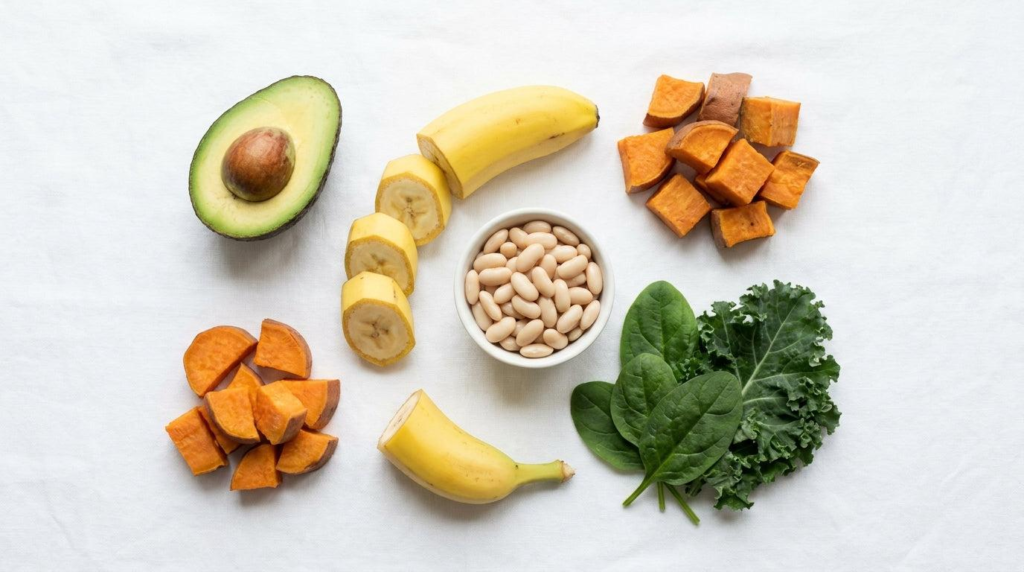
Natural potassium sources include:
- Bananas and oranges.
- Spinach and other leafy vegetables.
- Potatoes and sweet potatoes.
- Beans, lentils, and chickpeas.
- Tomatoes and pumpkin.
- Milk and yogurt.
- Nuts and seeds.
A diet containing sufficient potassium and moderate sodium can support better cardiovascular health.
How Do Sodium and Potassium Work Together to Control Blood Pressure?
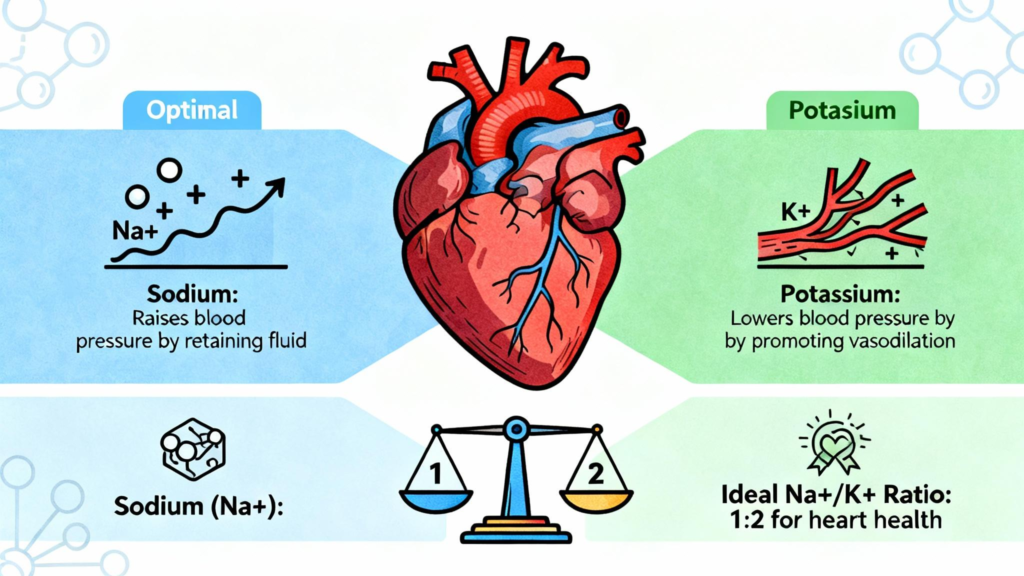
The relationship between sodium and potassium is more complicated than simply consuming less salt and more fruit.
Both minerals influence kidney function, fluid balance, and blood vessel activity.
Sodium and fluid retention
When sodium consumption becomes excessive, the body may retain additional water to maintain the appropriate concentration of electrolytes.
This can increase circulating blood volume and contribute to elevated blood pressure.
People who are particularly sensitive to salt may experience a stronger blood pressure response to high-sodium diets.
Potassium and sodium removal
Potassium supports the kidneys’ ability to excrete sodium. This process is known as natriuresis.
When dietary potassium intake increases appropriately, the kidneys can adjust sodium handling, helping the body eliminate excess sodium.
Potassium also contributes to the relaxation of blood vessels, which can help reduce vascular resistance.
The kidney’s potassium-switch mechanism
One particularly interesting area of research concerns a kidney signalling pathway known as the potassium switch.
This mechanism helps the kidneys respond to changes in potassium availability.
When potassium intake is low, the kidneys activate processes that conserve potassium. One consequence is increased sodium reabsorption.
When potassium availability increases, signalling changes can reduce sodium reabsorption, encouraging sodium excretion.
A July 2026 review in Nature Reviews Nephrology examined this mechanism and its potential importance in explaining why modern diets containing excessive sodium and insufficient potassium may contribute to hypertension. Nature Reviews Nephrology+1
This provides an important biological explanation for why potassium deserves greater attention in blood pressure prevention.
What Does the Latest 2026 Research Reveal?

A particularly relevant scientific report was published on November 2, 2026, and discussed by ScienceDaily.
The report, titled Rethinking the Impact of Dietary Sodium and Potassium on Blood Pressure to Advance Public Health, appeared in the American Journal of Clinical Nutrition.
Researchers Naomi K. Fukagawa and colleagues examined the scientific evidence behind existing sodium and potassium recommendations.
Their central argument was that public health strategies should not focus exclusively on reducing sodium. They should also give greater attention to increasing potassium intake through appropriate dietary choices.
The report highlighted several important findings:
1. Sodium reduction remains important. Excessive sodium consumption continues to be a significant modifiable contributor to high blood pressure.
2. Potassium intake deserves greater attention. Insufficient potassium consumption may increase blood pressure and make people more sensitive to sodium.
3. Both nutrients should be considered together. Combining sodium reduction with adequate potassium intake may offer greater benefits than focusing on sodium reduction alone.
4. Food choices matter. Fruits, vegetables, legumes, and other potassium-rich foods can help improve dietary quality.
5. Public health recommendations may need to evolve. Researchers suggest incorporating potassium enhancement into existing hypertension prevention strategies.
Importantly, this publication is a scientific review and public health perspective, not a new clinical trial demonstrating that one specific diet prevents cardiovascular disease.
The findings nevertheless support a broader approach to nutritional advice. The American Journal of Clinical Nutrition+1
How Much Sodium and Potassium Does the Body Need?
The World Health Organization provides guidance on daily sodium and potassium consumption.
| Nutrient | WHO adult guidance |
|---|---|
| Sodium | Less than 2,000 mg/day |
| Salt | Less than 5 g/day |
| Potassium | At least 3,510 mg/day |
These are general adult population recommendations, not individualized prescriptions. The American Journal of Clinical Nutrition
One important distinction is that sodium and salt are not identical.
Ordinary table salt contains approximately 40% sodium. Therefore, 5 grams of salt provides approximately 2,000 mg of sodium.
Many people consume more salt than they realize because sodium is present in packaged foods, snacks, sauces, and restaurant meals.
At the same time, diets lacking fruits, vegetables, and legumes may provide insufficient potassium.
This combination can create an unfavorable nutritional pattern for cardiovascular health.
Potassium-Rich Indian Foods That Support Heart Health 🇮🇳
One practical way to improve potassium intake is to include more naturally potassium-rich foods in everyday meals.
Indian diets already contain many affordable ingredients that can contribute to potassium intake.
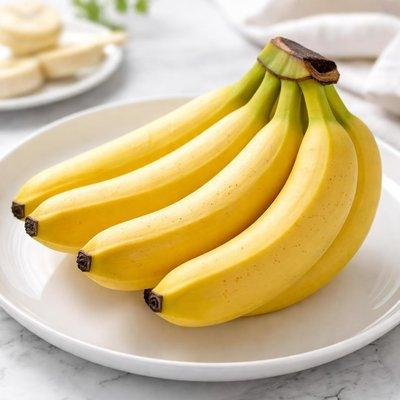
Bananas
Bananas provide potassium, carbohydrates, and dietary fibre. They are convenient additions to breakfast or snacks.
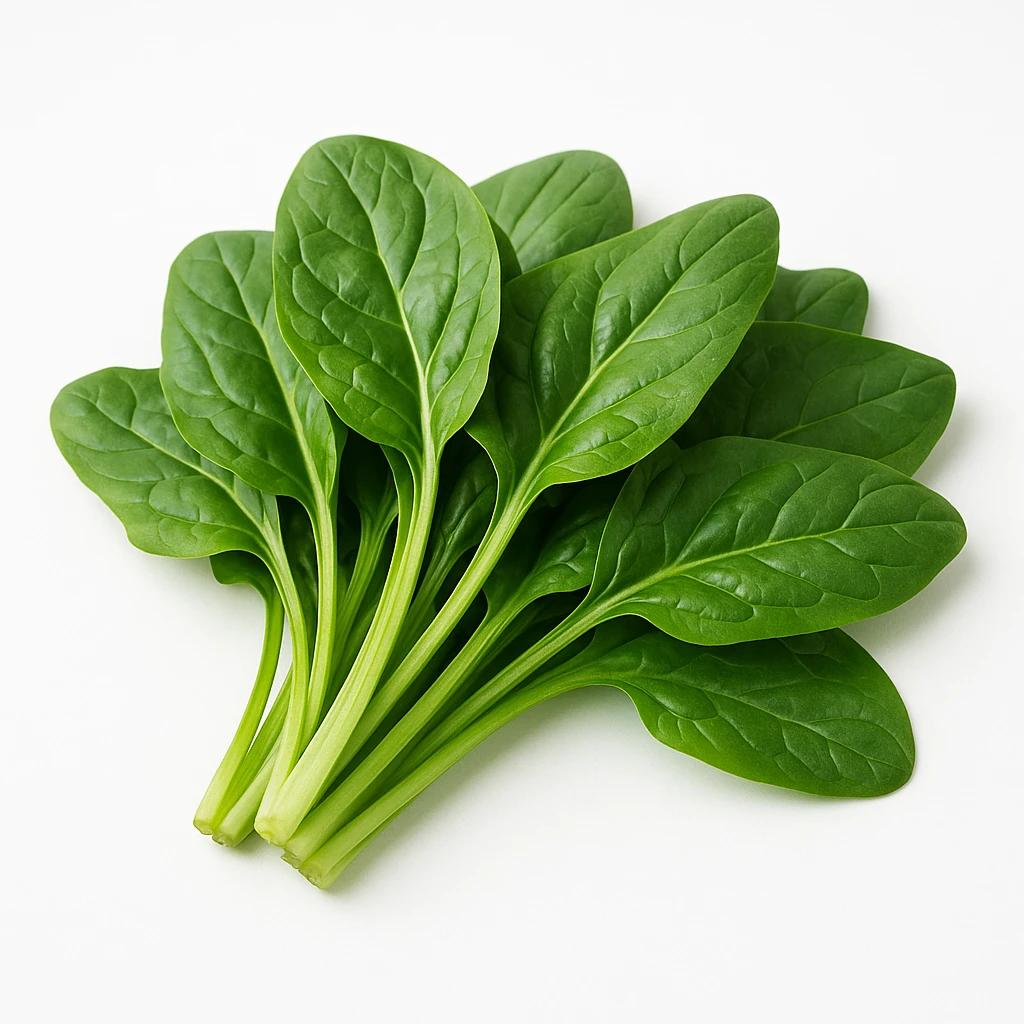
Spinach (Palak)
Spinach contains potassium, folate, and other beneficial nutrients. It can be included in dal, sabzi, or vegetable preparations.
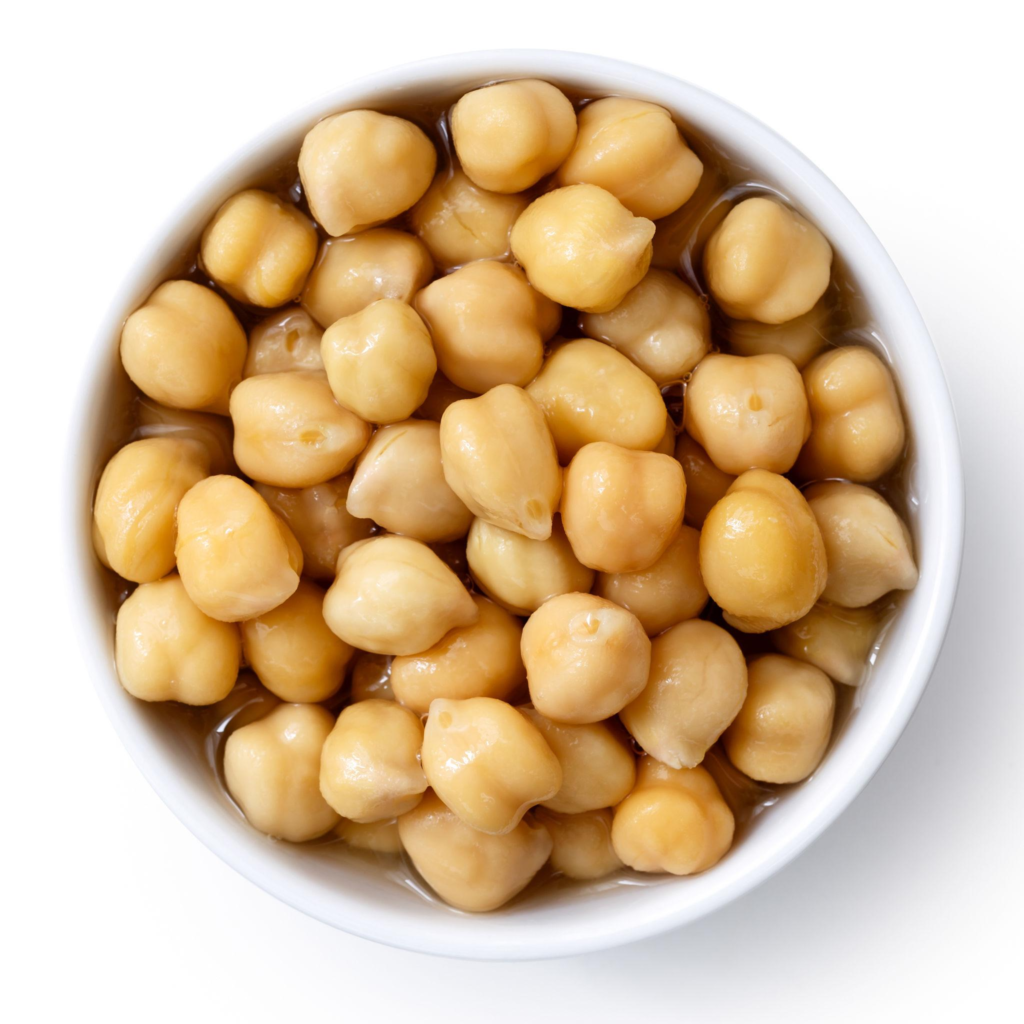
Chickpeas (Chana)
Chickpeas provide potassium, plant protein, and fibre. They can be used in chana curry, salads, and homemade snacks.
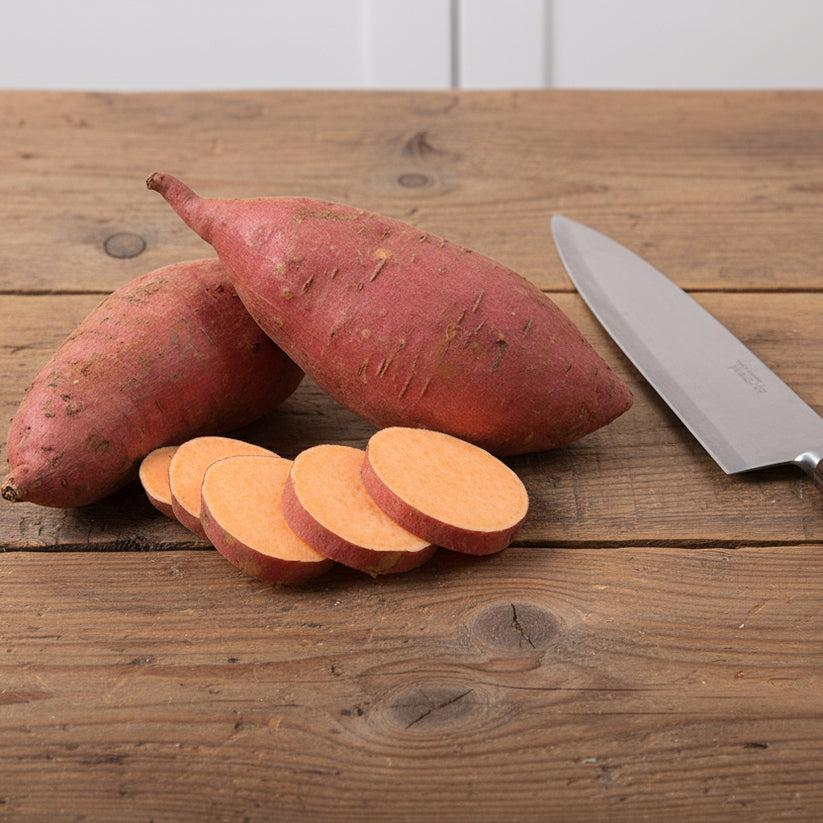
Sweet Potatoes
Sweet potatoes contain potassium, fibre, and beta-carotene. Boiling or roasting them without excessive salt makes them a useful food choice.
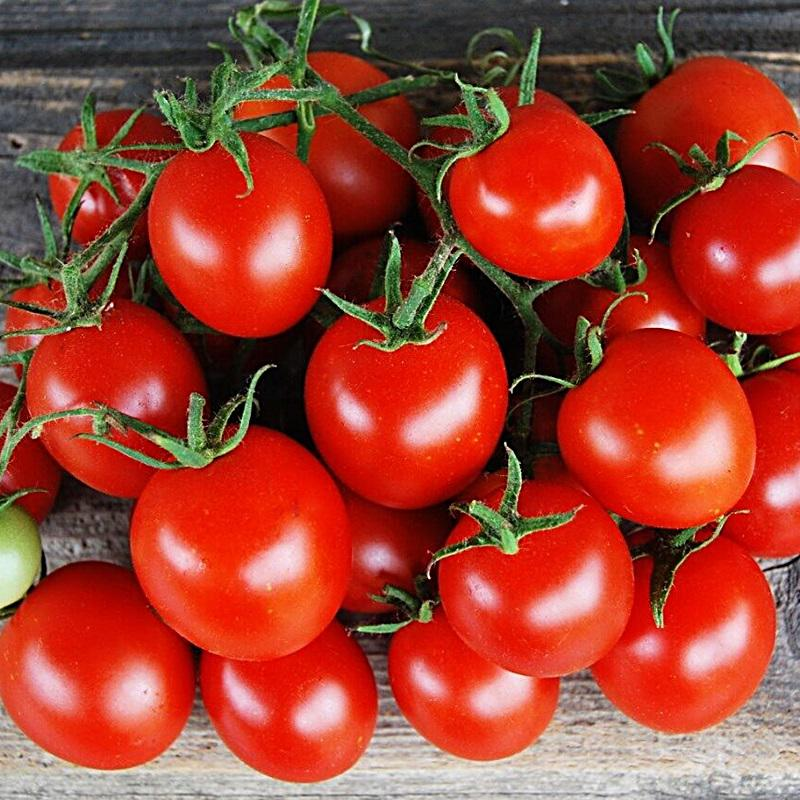
Tomatoes
Tomatoes contribute potassium and other plant compounds. They are easy to incorporate into curries, soups, and salads.
Curd and Yogurt
These foods provide potassium alongside protein and calcium. Choose unsalted varieties when possible.
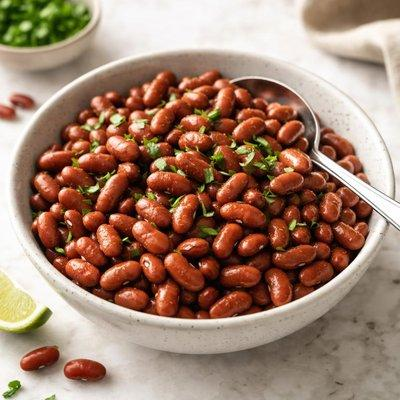
Rajma and Other Beans
Beans are useful sources of potassium, plant protein, and dietary fibre. They can support a balanced vegetarian eating pattern.
These foods should be included as part of a varied diet rather than treated as individual treatments for hypertension.
What Happens When the Body Does Not Get Enough Potassium?
Insufficient potassium intake can affect several important physiological processes.
Increased blood pressure
Low potassium intake may make the body more sensitive to sodium. This can contribute to fluid retention and increased blood pressure.
Changes in heart rhythm
Potassium is essential for the electrical activity of the heart. Significant potassium imbalance can interfere with normal heart rhythm.
Muscle weakness and fatigue
Potassium helps muscles contract and relax. Severe deficiency can cause muscle weakness, cramps, and fatigue.
Increased cardiovascular risk
Long-term dietary patterns associated with low potassium and high sodium may contribute to hypertension and cardiovascular complications.
However, low dietary intake does not automatically mean someone has a clinically low blood potassium level. The kidneys tightly regulate potassium concentrations in the blood.
Can Increasing Potassium Reduce the Risk of Heart Disease?
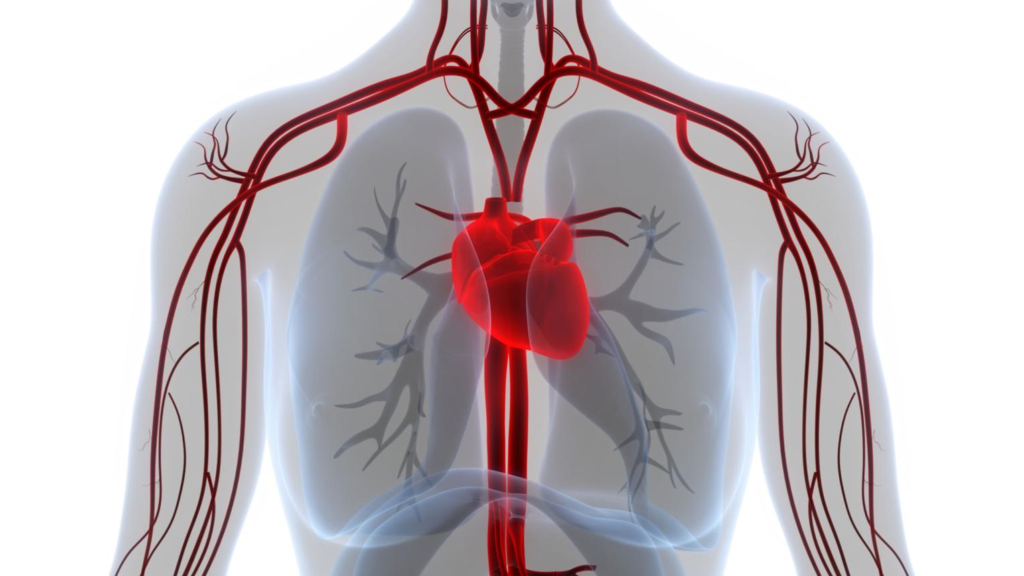
Potassium may contribute to cardiovascular protection through several mechanisms.
Blood pressure regulation: Adequate potassium intake can help lower elevated blood pressure.
Blood vessel function: Potassium supports normal vascular function and relaxation of blood vessel walls.
Sodium balance: Potassium helps regulate sodium excretion through the kidneys.
Stroke prevention: Several observational studies have associated higher potassium consumption with a lower risk of stroke, although observational associations do not establish direct causation.
The National Institutes of Health also highlights the relationship between potassium intake, hypertension, and cardiovascular health. Health Professional Fact Sheet+1
The DASH Diet: A Practical Approach to Sodium and Potassium Balance
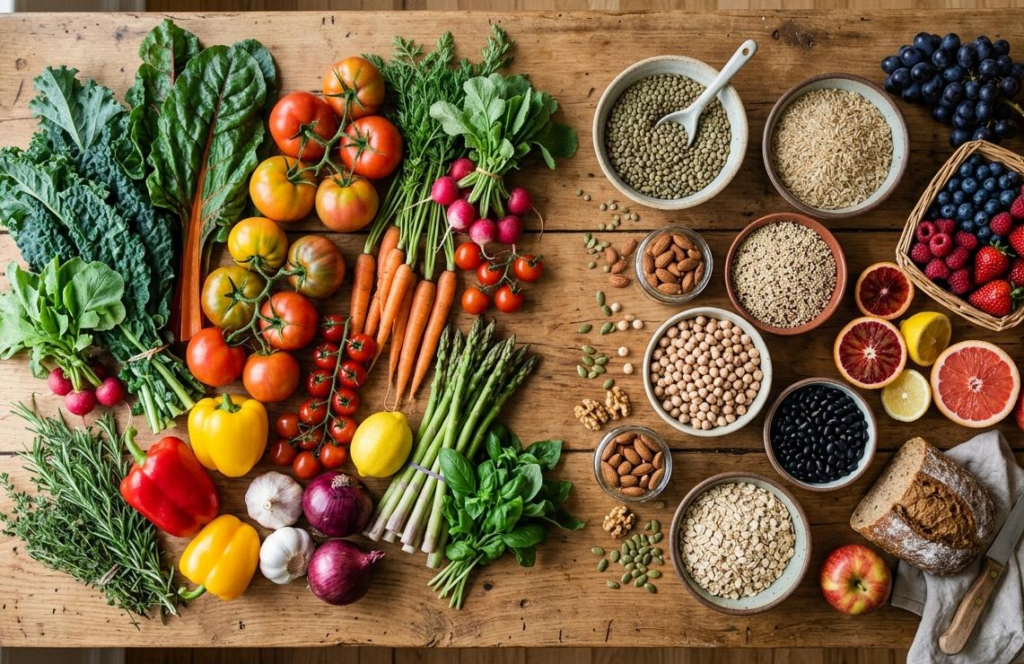
The Dietary Approaches to Stop Hypertension (DASH) eating plan is a well-established dietary approach for supporting healthy blood pressure.
It emphasizes foods naturally rich in potassium, calcium, magnesium, and dietary fibre while limiting excessive sodium and saturated fat.
Its major food groups include:
- Fresh fruits and vegetables.
- Whole grains.
- Beans, peas, and lentils.
- Nuts and seeds.
- Low-fat dairy products.
- Appropriate amounts of lean protein.
The DASH approach does not require expensive specialty foods. Everyday Indian foods such as dal, seasonal vegetables, fruits, whole grains, and unsalted nuts can contribute to a similar dietary pattern.
Research summarized by the National Institutes of Health indicates that the DASH eating pattern can reduce blood pressure, particularly among people with hypertension. Health Professional Fact Sheet+1
Practical Ways to Improve Sodium and Potassium Balance
Improving dietary habits does not necessarily require dramatic lifestyle changes.
Here are some practical recommendations:
- Reduce excessive table salt: Gradually reduce the amount of salt used during cooking.
- Eat more vegetables: Include leafy greens, tomatoes, pumpkin, and other seasonal vegetables.
- Choose fresh fruits: Include bananas, oranges, and other fruits as part of balanced meals.
- Increase legumes: Eat dal, chickpeas, rajma, and other beans regularly.
- Limit packaged snacks: Reduce frequent consumption of chips, salted biscuits, instant noodles, and processed foods.
- Read food labels: Check sodium content when purchasing packaged products.
- Prepare homemade meals: Cooking at home makes it easier to control added salt.
- Follow a balanced diet: Include vegetables, fruits, whole grains, and appropriate protein sources.
Are Potassium-Based Salt Substitutes a Good Alternative?
One emerging strategy involves replacing some ordinary sodium chloride with potassium chloride.
These products can reduce sodium consumption while increasing potassium intake.
For some adults, potassium-containing salt substitutes may help improve blood pressure control.
However, they are not appropriate for everyone.
People with chronic kidney disease, impaired potassium excretion, or those taking certain medications, including some ACE inhibitors, ARBs, and potassium-sparing diuretics, may develop dangerously high blood potassium levels.
Therefore, anyone with kidney problems or taking medications that affect potassium should consult a healthcare professional before using potassium-based salt substitutes or supplements.
It is also important not to stop prescribed blood pressure medication simply because dietary habits have improved.
Limitations and Areas for Future Research
Although evidence supporting the importance of potassium is growing, several questions remain.
First, the independent contribution of potassium is sometimes difficult to separate from other dietary factors. People who eat more potassium-rich foods may also consume more fibre, magnesium, and other beneficial nutrients.
Second, individual responses to sodium and potassium differ according to age, genetics, kidney function, medication use, and existing health conditions.
Third, more research is needed to determine the most effective ways to increase potassium intake across different populations.
Finally, replacing sodium with potassium in processed foods requires careful consideration of taste, manufacturing practices, food safety, and individual medical needs.
Future research should investigate how personalized dietary recommendations can improve blood pressure management while accounting for differences in kidney function and metabolic health.
Conclusion ❤️
The relationship between potassium and sodium represents an important part of blood pressure regulation that deserves greater attention.
For many years, hypertension prevention campaigns have concentrated primarily on reducing salt consumption. Although this remains an essential recommendation, emerging scientific evidence suggests that adequate potassium intake should receive similar attention.
Sodium and potassium work together through the kidneys, fluid-regulation systems, and blood vessels to influence blood pressure. Consuming excessive sodium while failing to obtain enough potassium may create an unfavorable environment for cardiovascular health.
The November 2026 scientific report discussed in this article highlights the potential benefits of addressing both nutrients together rather than treating sodium reduction as the only dietary priority.
For everyday health, the message is straightforward: eat more vegetables, fruits, legumes, and other potassium-rich foods while reducing excessive salt and highly processed foods.
Better blood pressure control may depend not only on consuming less sodium but also on obtaining enough potassium.
