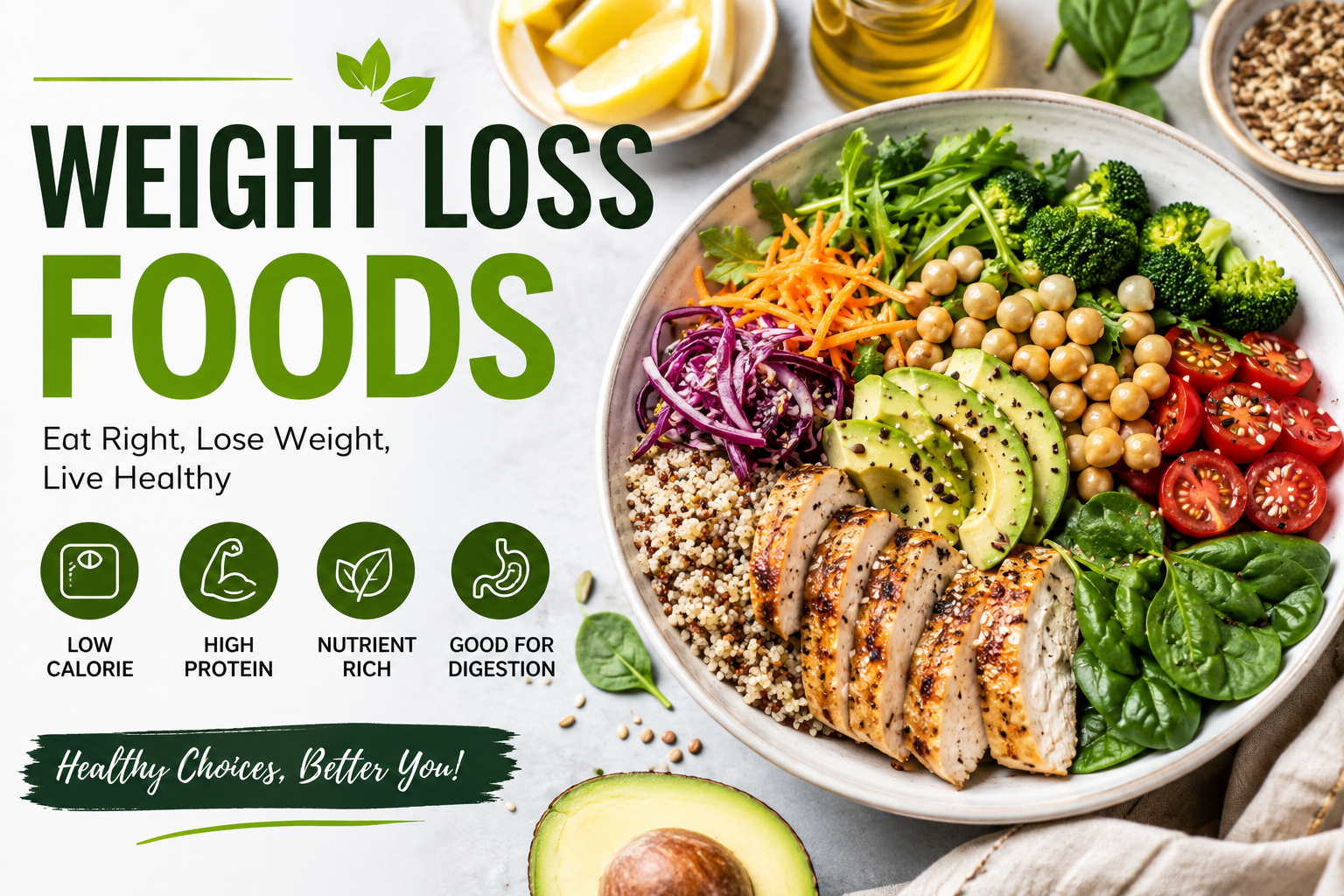
As healthcare increasingly shifts toward prevention rather than treatment, nutrition researchers are focusing on a category of foods known as functional foods. Unlike conventional foods that primarily provide energy and essential nutrients, functional foods contain biologically active compounds that may offer additional health benefits beyond basic nutrition.
These foods are often enriched with probiotics, prebiotics, antioxidants, omega-3 fatty acids, phytochemicals, and other bioactive compounds that can influence various aspects of human health. Scientific evidence suggests that regular consumption of certain functional foods may support digestive health, cardiovascular function, immune response, cognitive performance, and healthy aging.


This article explores the science behind functional foods and examines how they may contribute to long-term wellness.
What Are Functional Foods?
Functional foods are foods that provide benefits beyond their nutritional value due to naturally occurring or added biologically active components.
Examples include:
- Yogurt containing probiotics
- Oats rich in beta-glucan fiber
- Fatty fish containing omega-3 fatty acids
- Green tea rich in polyphenols
- Berries packed with antioxidants
- Fortified foods containing vitamins and minerals
The concept originated in Japan during the 1980s and has since become a major area of nutritional research worldwide.
Researchers generally classify functional foods into two categories:
Natural Functional Foods
These naturally contain health-promoting compounds:
- Blueberries
- Turmeric
- Garlic
- Broccoli
- Salmon
- Green tea
Enhanced Functional Foods
These are fortified or modified to improve health benefits:
- Probiotic yogurt
- Vitamin D-fortified milk
- Omega-3-enriched eggs
- Calcium-fortified beverages
Probiotics: Beneficial Bacteria for Gut Health
Among the most researched functional food components are probiotics, which are live microorganisms that provide health benefits when consumed in adequate amounts.
Common probiotic strains include:
- Lactobacillus
- Bifidobacterium
- Saccharomyces boulardii
Sources of Probiotics


Probiotic-rich foods include:
- Yogurt
- Kefir
- Kimchi
- Sauerkraut
- Miso
- Tempeh
Health Benefits
Research suggests probiotics may:
Improve Digestive Health
They help maintain a balanced gut microbiome, reducing the risk of digestive disturbances and supporting regular bowel function.
Enhance Immune Function
Approximately 70% of immune cells are associated with the gastrointestinal tract. A healthy microbiome may contribute to stronger immune defenses.
Support Mental Health
The gut-brain axis has become a major research area. Some studies indicate probiotics may influence mood, stress responses, and cognitive health.
Reduce Antibiotic-Associated Diarrhea
Clinical evidence supports probiotic use in preventing digestive complications linked to antibiotic treatment.
Prebiotics: Feeding the Good Bacteria
Prebiotics are non-digestible fibers that nourish beneficial gut bacteria.
Unlike probiotics, which add microorganisms to the gut, prebiotics support the growth of existing beneficial microbes.
Common Prebiotic Sources
- Garlic
- Onions
- Leeks
- Bananas
- Chicory root
- Asparagus
- Oats
How Prebiotics Work
When prebiotics reach the colon, gut bacteria ferment them into short-chain fatty acids (SCFAs) such as:
- Butyrate
- Acetate
- Propionate
These compounds help:
- Maintain intestinal barrier integrity
- Reduce inflammation
- Support immune function
- Promote metabolic health
Long-Term Benefits
Research suggests higher intake of dietary fiber and prebiotic compounds may be associated with:
- Reduced risk of obesity
- Improved blood sugar control
- Better cardiovascular health
- Lower incidence of certain digestive disorders
Antioxidants and Cellular Protection
One of the most widely discussed categories of functional compounds is antioxidants.
Antioxidants help neutralize unstable molecules known as free radicals, which can damage cells through oxidative stress.
Oxidative stress has been linked to:
- Cardiovascular disease
- Type 2 diabetes
- Neurodegenerative diseases
- Cancer
- Accelerated aging
Major Antioxidant-Rich Foods


Examples include:
- Blueberries
- Strawberries
- Pomegranates
- Green tea
- Dark chocolate
- Spinach
- Kale
Key Antioxidant Compounds
Polyphenols
Found in tea, berries, cocoa, and grapes.
Flavonoids
Associated with cardiovascular and brain health.
Vitamin C
Supports immunity and collagen production.
Vitamin E
Protects cell membranes from oxidative damage.
Scientific Findings
Studies suggest diets rich in antioxidant-containing whole foods are associated with:
- Lower inflammation
- Reduced cardiovascular risk
- Improved endothelial function
- Better cognitive aging outcomes
However, researchers note that antioxidant supplements often do not produce the same benefits as consuming antioxidant-rich foods.
Bioactive Compounds: Beyond Traditional Nutrients
Bioactive compounds are naturally occurring substances that influence biological processes.
Unlike vitamins and minerals, they are not considered essential nutrients, yet they may significantly affect health.
Important Bioactive Compounds
Curcumin
Found in turmeric.
Potential benefits:
- Anti-inflammatory effects
- Antioxidant activity
- Joint health support
Lycopene
Found in tomatoes.
Associated with:
- Heart health
- Cellular protection
Sulforaphane
Found in broccoli sprouts and cruciferous vegetables.
Research suggests potential roles in:
- Detoxification pathways
- Cellular defense mechanisms
Resveratrol
Found in grapes and berries.
Studied for:
- Cardiovascular support
- Healthy aging mechanisms
Emerging Research
Scientists continue investigating how bioactive compounds may influence:
- Gene expression
- Inflammation regulation
- Metabolic health
- Longevity pathways
Functional Foods and Heart Health
Cardiovascular disease remains the leading cause of death worldwide, making heart health a major focus of functional food research.
Omega-3 Fatty Acids
Found in:
- Salmon
- Sardines
- Mackerel
- Flaxseeds
- Chia seeds
Potential benefits include:
- Reduced triglycerides
- Improved vascular function
- Lower inflammation
Soluble Fiber
Foods such as oats contain beta-glucan, which may help lower LDL cholesterol levels.
Plant Sterols
Found in fortified foods and naturally in nuts, seeds, and legumes.
Research indicates plant sterols may reduce cholesterol absorption in the intestine.
Functional Foods and Cognitive Health
Brain health is becoming increasingly important as populations age.
Researchers are studying how nutrition may influence cognitive performance and neurodegenerative disease risk.
Foods Linked to Brain Health
- Fatty fish
- Blueberries
- Walnuts
- Green leafy vegetables
- Green tea
Potential mechanisms include:
- Reduced inflammation
- Improved blood flow
- Protection against oxidative stress
- Support for neuronal communication
Some dietary patterns rich in functional foods have been associated with slower cognitive decline in observational studies.
Functional Foods and Healthy Aging
Aging is influenced by genetics, environment, lifestyle, and nutrition.
Functional foods may support healthy aging through multiple pathways:
Reducing Chronic Inflammation
Low-grade chronic inflammation is associated with many age-related diseases.
Anti-inflammatory foods include:
- Turmeric
- Fatty fish
- Olive oil
- Berries
Supporting Gut Health
A healthy microbiome may help maintain immune function and metabolic stability throughout life.
Preserving Muscle Function
Protein-rich functional foods and omega-3 fatty acids may support muscle maintenance in older adults.
Enhancing Cellular Resilience
Bioactive compounds may help protect cells from oxidative and inflammatory damage over time.
Limitations and Considerations
While functional foods show promise, several important considerations exist.
No Single Food Is a Cure-All
Health outcomes depend on overall dietary patterns rather than one specific food.
Research Continues to Evolve
Some claims are strongly supported by evidence, while others require further investigation.
Whole Foods Remain Best
Most experts recommend obtaining bioactive compounds from whole foods rather than relying heavily on supplements.
Individual Responses Vary
Factors such as:
- Genetics
- Age
- Lifestyle
- Existing health conditions
- Gut microbiome composition
can influence how people respond to functional foods.
The Future of Functional Nutrition
Advances in nutritional science, microbiome research, and precision medicine are shaping the next generation of functional foods.
Future developments may include:
- Personalized nutrition plans
- Microbiome-targeted foods
- AI-driven dietary recommendations
- Novel plant-based bioactive compounds
- Functional ingredients tailored to specific health needs
Researchers believe nutrition will play an increasingly important role in preventive healthcare strategies worldwide.
Conclusion
Functional foods represent one of the most promising areas of modern nutrition research. Foods enriched with probiotics, prebiotics, antioxidants, omega-3 fatty acids, and other bioactive compounds may support digestive health, cardiovascular function, immune resilience, cognitive performance, and healthy aging.
Although no single food can guarantee long-term wellness, a dietary pattern rich in diverse functional foods appears to offer meaningful health advantages. As scientific understanding of the gut microbiome, inflammation, and cellular health continues to grow, functional foods are likely to become an increasingly important component of evidence-based preventive healthcare.