
How affordable elastic resistance bands, aerobic activity, and combined workouts may support better glucose control in older adults with type 2 diabetes.

Introduction: A Simple Exercise Approach to Better Blood Sugar Control
Managing blood sugar becomes increasingly important as people grow older, particularly for individuals living with type 2 diabetes. Although medication and dietary changes remain essential parts of diabetes management, physical activity also plays an important role in maintaining healthy glucose levels.
One interesting approach is resistance-band exercise. Unlike expensive gym equipment, elastic resistance bands are relatively inexpensive, lightweight, portable, and adaptable to different fitness levels. They can help older adults strengthen their muscles without necessarily requiring access to a gym.
But can these simple workouts actually make a measurable difference in blood sugar regulation?
An October 2026 study published in the Journal of Science and Medicine in Sport investigated this question by comparing three exercise approaches: aerobic exercise, elastic-band resistance training, and combined training.
The researchers examined how these activities influenced glucose levels over the following 24 hours using continuous glucose monitoring.
The findings offer an interesting perspective on how combining muscle-strengthening activities with aerobic exercise might support glucose management in older adults with type 2 diabetes.
Understanding the October 2026 Research

The research, titled Scalable Elastic Band Resistance Training Improves Glycemic Control in Older Adults With Type 2 Diabetes: A CGM-Based Randomized Crossover Study, was published online on October 15, 2026.
The study was conducted by researchers Bin Gai, Wenpeng Chen, and Liling Qiu from the Capital University of Physical Education and Sports in China.
Its main objective was to investigate whether different forms of exercise could produce different short-term improvements in blood glucose regulation.
Rather than relying exclusively on occasional blood tests, researchers used continuous glucose monitoring (CGM) to observe glucose changes throughout the day.
Study overview
| Research detail | Information |
|---|---|
| Publication | October 15, 2026 |
| Journal | Journal of Science and Medicine in Sport |
| Study design | Randomized crossover trial |
| Participants enrolled | 30 |
| Participants completing all sessions | 23 |
| Population | Older adults with type 2 diabetes |
| Exercise approaches | Aerobic, resistance-band, combined |
| Monitoring method | Continuous glucose monitoring |
| Monitoring period | 14 days |
One important feature was the crossover design. Participants experienced all three exercise conditions in different randomized sequences, allowing researchers to compare glucose responses within the same individuals.
Each exercise session was separated by a 48-hour washout period to reduce the possibility that one session would influence the next.
The study also included non-exercise control days for comparison.
How Were the Three Exercise Methods Compared?
The researchers designed three different exercise sessions, each lasting approximately 60 minutes.
Every session included a 10-minute warm-up, 40 minutes of main exercise, and a 10-minute cooldown.
Aerobic Exercise

Aerobic exercise focuses on increasing heart rate and encouraging the muscles to use energy.
In the study, participants performed continuous bodyweight movements, including jogging, high-knee marching, jumping-jack variations, knee-to-palm touches, and half-squat punching.
The aerobic session was designed to maintain approximately 60–75% of each participant’s estimated peak heart rate.
This type of activity can encourage muscles to absorb glucose from the bloodstream and use it as energy.
Aerobic exercise also supports cardiovascular fitness, endurance, and overall physical function.
Resistance-Band Exercise
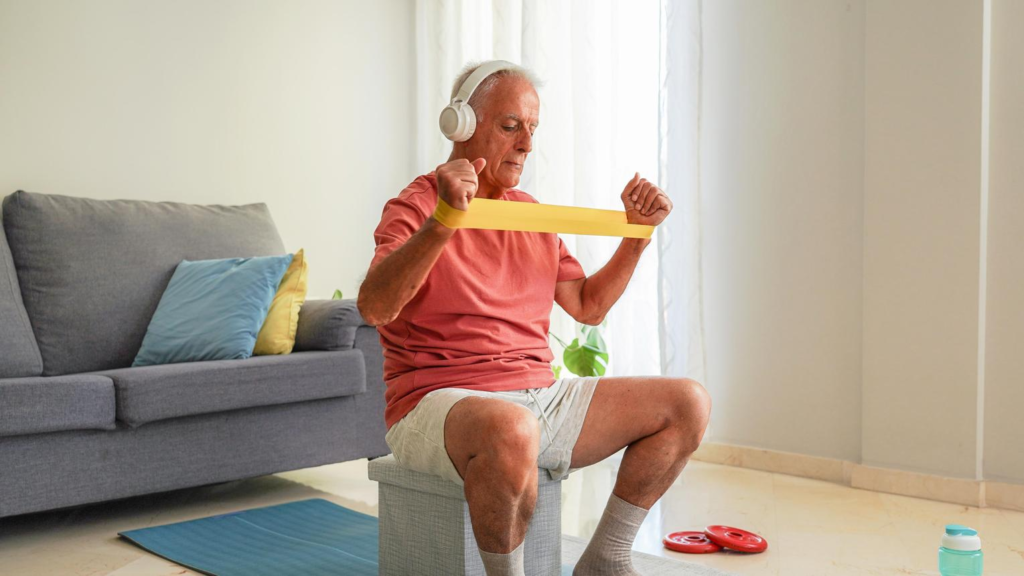
Resistance-band training was the most interesting component of this research because it required relatively simple equipment.
Participants performed six resistance exercises:
- Chest press
- Bent-over row
- Lateral raise
- Squat
- Biceps curl
- Triceps pushdown
Researchers adjusted the resistance-band length and strength according to each participant’s physical ability.
Each exercise was performed for four sets, with a target effort corresponding to approximately 15–20 repetitions maximum.
This approach helped participants work their muscles without requiring heavy gym equipment.
Resistance training is particularly relevant to older adults because maintaining muscle strength becomes increasingly important with age.
Muscle tissue plays an important role in glucose metabolism because skeletal muscles use glucose for energy.
Regular muscle-strengthening exercise may therefore help support insulin sensitivity and metabolic health.
Combined Aerobic and Resistance Training
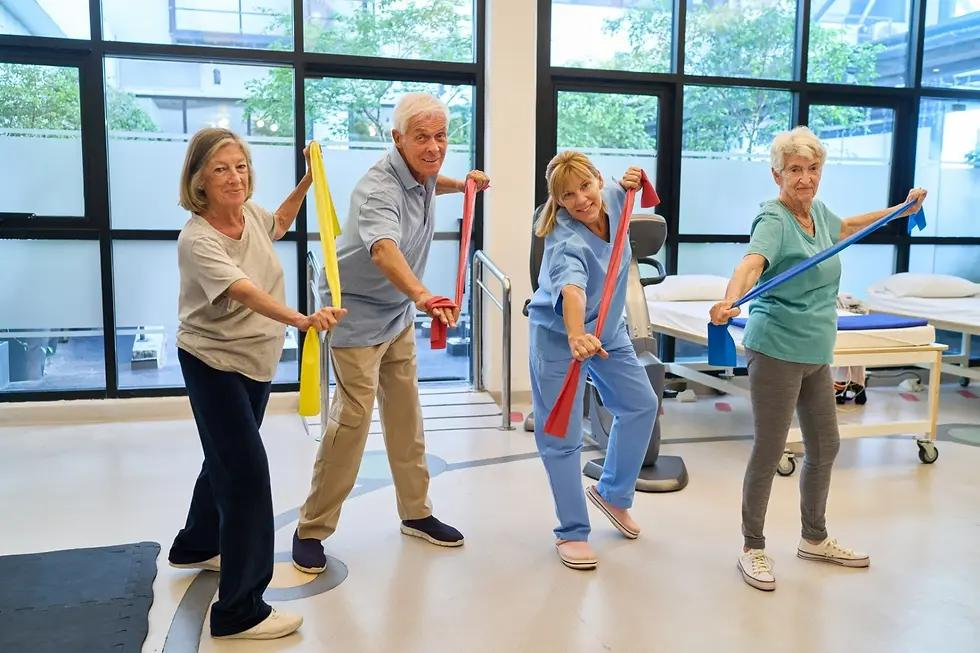
The third exercise method combined aerobic and resistance activities in the same session.
Participants completed half the resistance-training volume, performing two sets of each resistance exercise, followed by four rounds of aerobic movements.
The researchers designed this approach to include both cardiovascular activity and muscle strengthening without increasing the total session duration.
This combination is important because aerobic and resistance exercises may influence glucose regulation through different physiological mechanisms.
Aerobic activity encourages muscles to use glucose during movement, while resistance exercise helps maintain and develop muscle tissue.
Combining the two may therefore offer complementary benefits.
What Did the Researchers Discover About Blood Sugar?
The findings suggested that different exercise approaches produced different glucose responses.
However, the results need careful interpretation because not every improvement was statistically significant.
Combined Exercise Was Associated With Lower 24-Hour Average Glucose
One of the most interesting findings involved combined aerobic and resistance training.
In an exploratory statistical analysis comparing each exercise condition with the non-exercise control, combined training was the only approach associated with a statistically significant reduction in average glucose over 24 hours.
The estimated difference was approximately 0.513 mmol/L lower than the control condition.
The result remained statistically significant after adjustment for multiple comparisons.
This suggests that combining aerobic movements with resistance exercises may help improve short-term glucose regulation.
However, this was an exploratory analysis rather than definitive evidence that combined exercise is superior for every older adult with diabetes.
Aerobic Exercise Produced the Fastest Initial Glucose Decline
Another important observation was that aerobic exercise produced the steepest immediate decline in glucose levels.
The researchers reported the following glucose decline rates:
| Exercise type | Glucose decline rate |
|---|---|
| Aerobic | −0.0256 mmol/L/min |
| Resistance-band | −0.0171 mmol/L/min |
| Combined | −0.0180 mmol/L/min |
Initial glucose decline by exercise type
Reported group-average glucose decline rates during the first 120 minutes. More negative values indicate a faster decline.
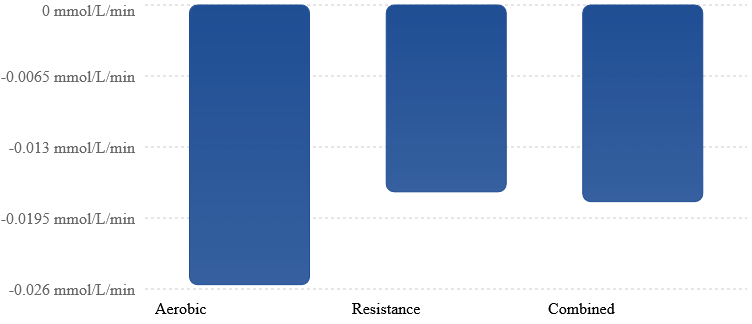
These findings indicate that aerobic activity was associated with a faster initial glucose reduction.
However, a faster decline does not automatically mean better overall glucose control.
The timing, duration, and magnitude of glucose changes are also important.
For example, exercise that produces a rapid glucose reduction may not necessarily provide the best 24-hour glucose profile.
Resistance Training Showed an Interesting Glucose-Risk Pattern
Resistance-band exercise also produced encouraging observations.
In secondary comparisons, resistance training had a lower Glycemic Risk Index than aerobic exercise after statistical correction.
The Glycemic Risk Index is a continuous glucose monitoring measure that incorporates both high and low glucose exposure.
This is relevant because effective diabetes management involves avoiding excessive glucose levels while also preventing hypoglycemia.
Nevertheless, the study did not establish that resistance training alone significantly improved every major glucose outcome compared with non-exercise control days.
Combined Training Produced a Later Glucose Nadir
The researchers also examined when glucose levels reached their lowest point after exercise.
The reported timing was:
| Exercise type | Time to lowest glucose |
|---|---|
| Aerobic | 115 minutes |
| Resistance-band | 145 minutes |
| Combined | 185 minutes |
Combined exercise produced the latest glucose nadir.
This suggests that the glucose response following exercise may continue developing for several hours.
It also highlights why monitoring glucose only immediately after a workout may provide an incomplete picture of its metabolic effects.
Why Can Resistance-Band Exercise Help With Blood Sugar Regulation?
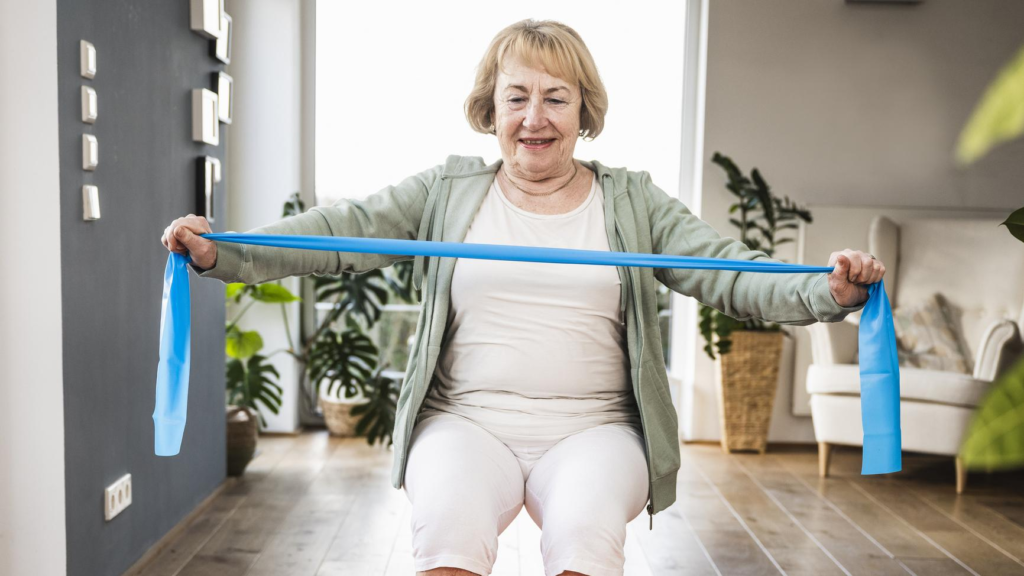
To understand why resistance-band workouts may help people with diabetes, it is useful to examine the relationship between muscles, insulin, and glucose.
Muscles Are Important Glucose Consumers
Skeletal muscles are among the body’s major glucose-using tissues.
When muscles contract during exercise, they can increase glucose uptake through mechanisms that are partly independent of insulin.
This means that physical activity can help muscles absorb glucose even when insulin sensitivity is impaired.
After exercise, muscles also work to replenish their energy stores.
This process can contribute to improved glucose regulation beyond the actual exercise session.
Resistance Exercise Supports Muscle Maintenance
Age-related muscle loss, commonly called sarcopenia, can affect mobility, strength, and metabolic health.
Maintaining muscle tissue is particularly important for older adults with type 2 diabetes.
Resistance-band exercises provide an accessible way to challenge different muscle groups.
Exercises such as squats, chest presses, rows, and biceps curls can help maintain muscular strength when performed appropriately and consistently.
More functional muscle capacity may also make everyday activities easier.
Exercise May Improve Insulin Sensitivity
Insulin helps move glucose from the bloodstream into cells.
In people with type 2 diabetes, the body’s tissues may respond less effectively to insulin.
This condition is known as insulin resistance.
Regular physical activity can improve insulin sensitivity through several mechanisms, including changes in muscle glucose transport, muscle metabolism, and mitochondrial function.
Aerobic and resistance exercises may contribute through overlapping but partly different pathways.
Combining them could therefore provide complementary metabolic effects.
What Is Continuous Glucose Monitoring, and Why Was It Important?
An important strength of this research was its use of continuous glucose monitoring.
Traditional blood glucose testing provides information about glucose at a particular moment.
Continuous glucose monitoring offers a more detailed picture by measuring glucose in the fluid between cells at regular intervals.
This allows researchers to examine several important indicators.
Mean glucose: The average glucose level over a particular monitoring period.
Time in Range (TIR): The percentage of time glucose remains within a defined target range.
Time Above Range: The percentage of time glucose remains above the recommended target.
Time Below Range: The percentage of time glucose falls below the target range.
Glycemic Risk Index (GRI): A measure that combines information about glucose exposure above and below the target range.
These measurements provide a broader understanding of glucose regulation than a single blood sugar reading.
For this study, CGM helped researchers identify differences in immediate glucose decline and subsequent 24-hour glucose patterns.
Could Older Adults Perform Resistance-Band Exercises at Home?
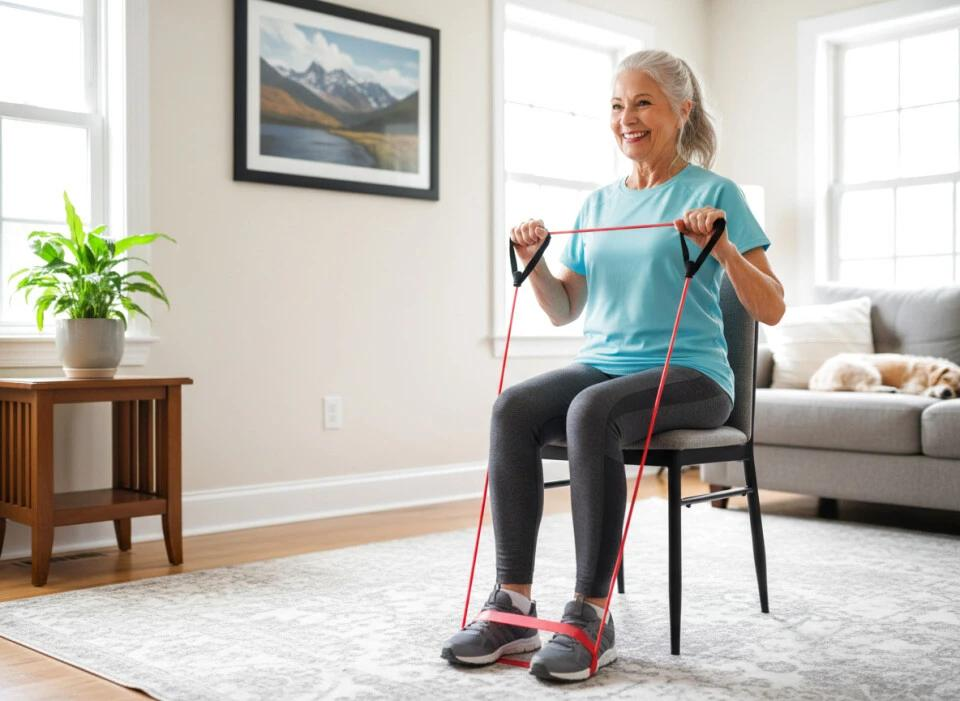
One practical advantage of resistance bands is their accessibility.
Unlike large exercise machines, elastic bands are lightweight and relatively inexpensive.
They can be used in homes, community fitness centres, and supervised rehabilitation settings.
For older adults who have difficulty travelling to gyms, they may provide a convenient option for maintaining physical activity.
However, the exercises should be adapted to individual mobility, strength, balance, and medical needs.
Beginner-Friendly Resistance-Band Exercises
The following exercises illustrate movements that may be incorporated into a supervised beginner routine.
| Exercise | Main muscles involved | General purpose |
|---|---|---|
| Seated chest press | Chest and arms | Upper-body strength |
| Seated row | Back and shoulders | Posture and strength |
| Biceps curl | Upper arms | Arm strength |
| Triceps extension | Back of upper arms | Arm strength |
| Supported squat | Legs and hips | Functional strength |
| Lateral raise | Shoulders | Shoulder strength |
These are general exercise examples, not a reproduction of a complete clinical training prescription.
A beginner should start with light resistance and controlled movements rather than attempting the research protocol immediately.
A Simple Weekly Exercise Routine for Older Adults
The following is an illustrative routine that combines gentle aerobic movement and resistance-band training.
It is not the exact intervention tested in the October study.
| Day | Suggested activity |
|---|---|
| Monday | Gentle walking and light resistance-band exercises |
| Tuesday | Comfortable walking |
| Wednesday | Resistance-band upper-body exercises |
| Thursday | Gentle walking and mobility exercises |
| Friday | Combined walking and light resistance training |
| Saturday | Balance and flexibility activities |
| Sunday | Rest or comfortable light movement |
Older adults should gradually increase exercise duration and intensity according to their abilities.
The appropriate routine depends on their health, existing fitness level, diabetes treatment, and any physical limitations.
Important Safety Considerations for Older Adults With Diabetes
Exercise is beneficial for many people with type 2 diabetes, but it should be approached carefully.
Some older adults may have additional health concerns that influence which activities are appropriate.
Monitor Blood Glucose
Physical activity can lower blood glucose during exercise and sometimes for several hours afterwards.
People using insulin or medications that increase insulin secretion, such as sulfonylureas, may have a greater risk of exercise-related hypoglycemia.
They should follow their healthcare professional’s advice regarding glucose monitoring, medication timing, and carbohydrate intake.
Begin With Appropriate Resistance
Heavy resistance is not necessary when beginning a new exercise programme.
Light resistance bands allow people to learn correct movement techniques before progressing.
The resistance should be challenging but manageable without pain or excessive strain.
Consider Foot Health
Diabetes can affect nerve function and circulation in the feet.
People with peripheral neuropathy or foot ulcers should obtain professional advice before starting weight-bearing activities.
Appropriate footwear and regular foot inspection are important.
Pay Attention to Balance
Older adults may have an increased risk of falls.
Chair-supported movements and exercises performed near a stable support can help reduce unnecessary balance challenges.
Anyone with significant mobility difficulties should consider supervised exercise.
Avoid Ignoring Warning Symptoms
Chest discomfort, unusual breathlessness, dizziness, severe weakness, or symptoms of hypoglycemia should not be ignored.
Exercise should stop if concerning symptoms develop, and appropriate medical assistance should be sought.
People with diabetes-related eye, kidney, cardiovascular, or nerve complications may require an individually adapted programme.
Limitations of the October 2026 Study
Although the findings are promising, several limitations should be considered before interpreting the results.
Small Participant Population
Thirty participants initially enrolled, but only 23 completed all three exercise sessions and were included in the main per-protocol analysis.
This is a relatively small sample.
Larger studies involving more participants are necessary to determine whether the findings apply to a broader population of older adults with diabetes.
Short-Term Investigation
The research examined glucose responses around individual exercise sessions.
It did not establish whether resistance-band exercise or combined training produces lasting reductions in HbA1c over several months or years.
Longer-term research is necessary to understand sustained metabolic benefits.
Exploratory Statistical Analysis
The most notable reduction in 24-hour mean glucose associated with combined training came from an exploratory covariate-adjusted analysis.
Not every primary-outcome comparison remained significant after correction for multiple comparisons.
Therefore, the findings should be considered encouraging rather than conclusive.
Supervised Exercise Conditions
The participants exercised under the supervision of experienced instructors.
Real-world exercise programmes may involve differences in technique, adherence, intensity, and consistency.
Further research should investigate whether similar outcomes can be achieved through independent home-based exercise.
Individual Responses May Differ
People with diabetes do not all respond to exercise in the same way.
Age, medication, baseline glucose levels, physical fitness, diet, sleep, and existing complications can influence glucose responses.
A workout that works well for one person may not produce identical results in another.
What Does This Research Mean for the Future of Diabetes Management?
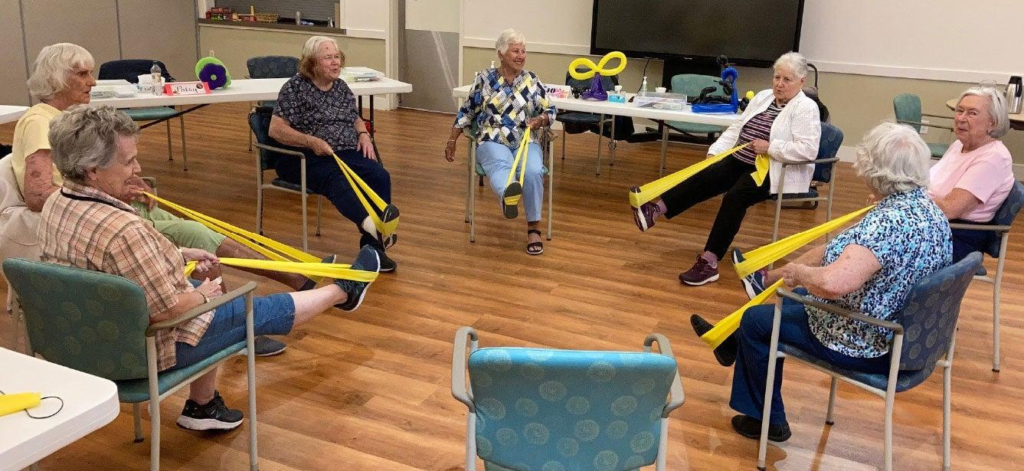
The October 2026 research highlights an important possibility: effective exercise programmes for older adults with diabetes do not necessarily require expensive equipment or complicated gym facilities.
Elastic resistance bands offer a practical method of strengthening muscles.
Aerobic activity provides additional cardiovascular and metabolic benefits.
Combining both approaches may produce complementary effects on glucose regulation.
The findings also demonstrate the value of continuous glucose monitoring in exercise research.
Rather than looking only at glucose levels immediately after exercise, researchers can examine how the body responds over an entire day.
Future investigations could explore whether regular combined exercise improves HbA1c, insulin sensitivity, muscle strength, balance, mobility, and cardiovascular health over longer periods.
Researchers could also investigate whether different exercise intensities or resistance levels produce different results among people with varying diabetes complications.
These questions will be important for developing safer and more personalized exercise recommendations for older adults.
Conclusion: Can Simple Resistance-Band Workouts Support Better Blood Sugar Control?
The October 2026 randomized crossover study provides encouraging evidence that simple exercise methods may contribute to better short-term glucose regulation in older adults with type 2 diabetes.
Among the three approaches examined, combined aerobic and resistance-band training was the only method associated with a statistically significant reduction in 24-hour average glucose compared with non-exercise control days in the exploratory analysis.
Aerobic exercise produced the fastest initial glucose decline, while resistance training showed an encouraging result in a secondary glucose-risk comparison.
These findings suggest that different exercise methods may influence glucose regulation in different ways.
However, the study was relatively small and short-term. It does not establish that resistance bands alone can control diabetes or replace prescribed medication.
The broader message is that maintaining muscle strength and staying physically active can be valuable components of diabetes management.
For older adults, accessible activities such as gentle walking, supported squats, and appropriately prescribed resistance-band exercises may offer practical ways to support healthy aging.
Simple exercise can make a meaningful contribution to metabolic health, but consistency, individual safety, and medical guidance remain essential.