

🌿 Curry Leaves: Nutrition, Benefits, and Healthy Recipes
Curry leaves are one of those humble ingredients that can completely transform an Indian meal. Known as kadi patta, kariveppilai, karibevu, or karivepaku in different parts of India, these fragrant green leaves bring a distinctive aroma, mild bitterness, citrus-like freshness, and earthy depth to everyday dishes. They are commonly used in South Indian cooking, but their versatility makes them useful in many types of Indian recipes.
Botanically known as Murraya koenigii, the curry leaf plant belongs to the Rutaceae family. It is native to the Indian subcontinent and Sri Lanka and is widely cultivated in warm climates. The leaves are especially popular in dishes such as sambar, rasam, chutneys, dals, vegetable preparations, coconut-based curries, rice dishes, and buttermilk. (Biology Building Greenhouse)
One important point is that curry leaves are not the same thing as curry powder. Curry powder is a spice blend, while curry leaves are fresh aromatic leaves from a specific tree. Their flavor is unique and difficult to reproduce with another herb. (Healthline)
Beyond their culinary role, curry leaves contain a variety of nutrients and plant compounds. However, it is important to keep expectations realistic. The quantity normally used in cooking is relatively small, so curry leaves should be viewed primarily as a flavorful, nutrient-containing herb rather than a cure for health conditions.
In this guide, we will explore the nutrition of curry leaves, their potential health benefits, the best ways to use them, storage tips, and several easy healthy recipes you can prepare at home. 🥗
🌿 What Are Curry Leaves?
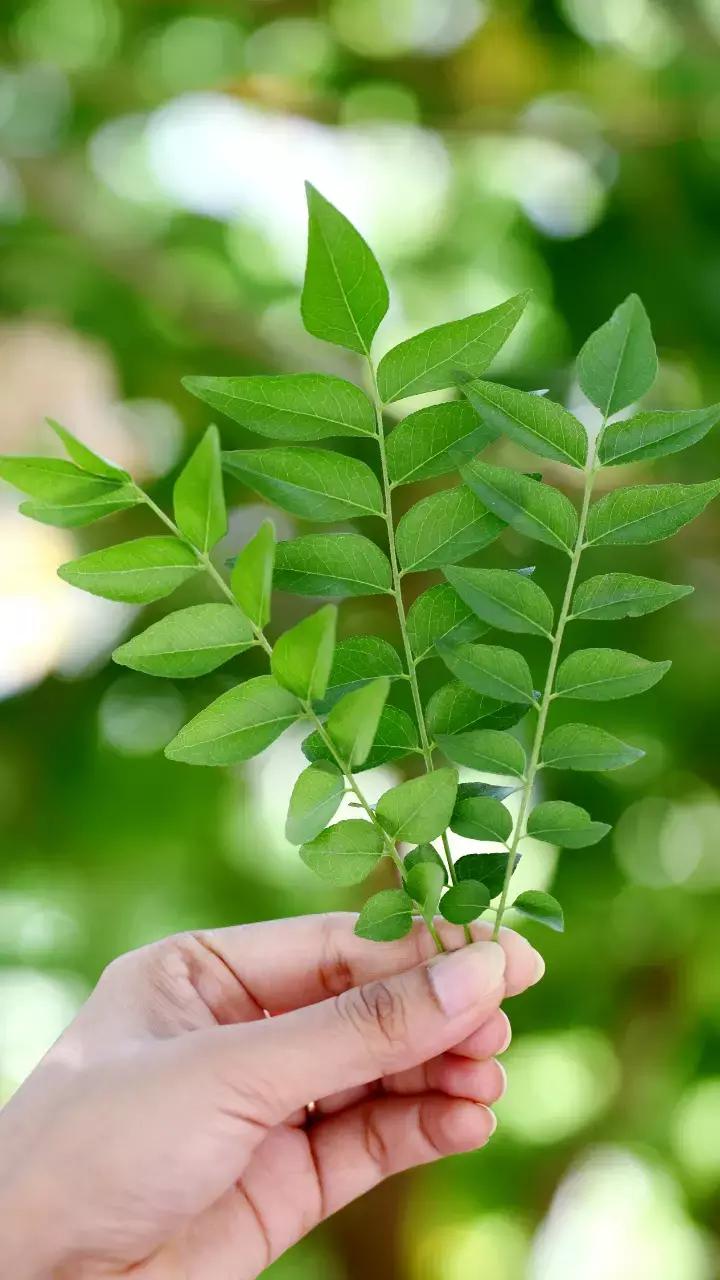
Curry leaves grow on a small tree or shrub called Murraya koenigii. The plant produces clusters of glossy green leaflets arranged along a central stem. When fresh leaves are rubbed or crushed, they release a powerful fragrance that is fresh, herbal, citrusy, and slightly pungent. (Biology Building Greenhouse)
In Indian kitchens, curry leaves are most commonly used as part of tadka or tempering. In this technique, oil or ghee is heated and ingredients such as mustard seeds, cumin seeds, dried chilies, asafoetida, and curry leaves are added. The leaves sizzle rapidly and release their aroma into the cooking fat.
This simple process can turn a basic bowl of dal, vegetables, yogurt, or rice into a much more flavorful dish.
Fresh curry leaves are generally preferred because they have a stronger aroma and flavor than dried leaves. Dried curry leaves can still be useful, but their fragrance tends to be less intense. (Biology Building Greenhouse)
Curry leaves are also different from neem leaves. Although they are sometimes called “sweet neem” because of their appearance and certain regional names, curry leaves come from Murraya koenigii, while neem comes from Azadirachta indica. They are different plants.
🥗 Curry Leaves Nutrition
Curry leaves contain several vitamins, minerals, fiber, and naturally occurring plant compounds. Their nutritional contribution depends on the amount consumed, whether they are fresh or dried, and how they are prepared.
Research and nutrition references describe curry leaves as sources of compounds including carotenoids, phenolic compounds, alkaloids, and other phytochemicals. (Healthline)
1. Vitamin A and Carotenoid Compounds 👀
Curry leaves contain carotenoid compounds that are associated with vitamin A activity. Vitamin A is an essential nutrient involved in normal vision, immune function, and maintenance of various body tissues.
Because curry leaves are usually consumed in relatively small quantities, they should not be considered a primary source of vitamin A. Nevertheless, adding herbs and vegetables with naturally occurring carotenoids can contribute to an overall nutrient-rich eating pattern.
2. Calcium 🦴
Curry leaves contain calcium, a mineral needed for maintaining normal bones and teeth as well as supporting muscle and nerve function.
Some published food-composition figures show substantial calcium concentrations in curry leaves, particularly when measured per 100 grams. However, a typical serving of curry leaves is much smaller than 100 grams, so these numbers should not be interpreted as meaning that a normal spoonful provides a large amount of calcium.
The bigger nutritional lesson is simple: small amounts of many nutrient-rich herbs can complement a varied diet.
3. Iron ⚡
Curry leaves also provide iron. Iron plays an important role in hemoglobin production and oxygen transport.
However, anyone concerned about iron deficiency should not rely on curry leaves alone. Legumes, leafy vegetables, whole grains, nuts, seeds, eggs, meat, and other iron-containing foods are more practical components of an iron-supportive diet.
4. Dietary Fiber 🌾
Curry leaves contain dietary fiber, although the amount eaten in a typical serving is relatively modest.
Fiber is important for digestive health and can help contribute to a balanced diet when obtained from a wide variety of foods, including vegetables, fruits, legumes, whole grains, nuts, and seeds.
5. Antioxidant Plant Compounds 🍃
One of the most interesting nutritional features of curry leaves is their variety of naturally occurring plant compounds. Studies and reviews have investigated phenolic compounds, alkaloids, glycosides, and other phytochemicals found in the plant. (Healthline)
These compounds may have antioxidant activity in laboratory settings. However, laboratory findings should not automatically be interpreted as proof that eating curry leaves prevents or treats a particular disease.
A healthy approach is to enjoy curry leaves as one part of a diverse diet containing many different herbs, vegetables, fruits, legumes, spices, and whole foods.
💚 Potential Health Benefits of Curry Leaves
Curry leaves have a long history of culinary and traditional use. Modern scientific research has also examined various compounds found in the leaves.
It is important to distinguish between traditional use, laboratory research, animal studies, and proven effects in humans. Many impressive claims about curry leaves circulating online are stronger than the available human evidence supports.
Here are some potential benefits worth understanding.
🌿 1. Adds Nutrients to Everyday Meals
The easiest benefit of curry leaves is also the most practical: they make nutritious meals more enjoyable.
A bowl of dal, vegetable curry, rasam, or yogurt can become much more aromatic with a simple curry-leaf tempering. Better flavor can make healthy home cooking more satisfying, which may encourage people to eat balanced meals more regularly.
Rather than treating curry leaves as a miracle food, think of them as a nutrient-containing culinary herb.
🛡️ 2. Provides Protective Plant Compounds
Curry leaves contain a variety of phytochemicals with antioxidant properties. Antioxidants are compounds that can help neutralize reactive molecules in biological systems.
Research into curry leaves has identified phenolic compounds and other phytochemicals that may contribute to their antioxidant activity. (Healthline)
Eating a variety of plant foods is generally more useful than focusing on one “superfood.” Curry leaves can be one small but flavorful part of that pattern.
❤️ 3. Supports a Heart-Friendly Eating Pattern
Curry leaves themselves are used in very small quantities, but they can help add flavor without requiring large amounts of salt or heavy sauces.
For example, instead of making vegetables flavorful with excessive salt, butter, or rich sauces, you can use mustard seeds, cumin, garlic, ginger, chilies, lemon, and curry leaves to build flavor.
The overall dietary pattern matters much more for cardiovascular health than any single herb.
🥕 4. Helps Make Plant-Based Meals More Flavorful
Curry leaves are particularly useful in vegetarian and plant-forward cooking.
They pair beautifully with:
- 🫘 Lentils
- 🥔 Potatoes
- 🥕 Carrots
- 🥬 Green vegetables
- 🍚 Rice
- 🥥 Coconut
- 🥣 Yogurt
- 🌾 Millets
- 🫘 Beans
- 🍅 Tomatoes
This makes them a valuable ingredient for people trying to eat more vegetables, legumes, and whole grains.
🍽️ 5. Traditional Association With Digestion
Curry leaves have traditionally been used in Indian food and traditional systems of medicine in connection with digestion and appetite. (Truemeds)
However, traditional use is not the same as clinical proof. If you experience persistent bloating, abdominal pain, diarrhea, constipation, or other digestive symptoms, it is better to investigate the underlying cause with a qualified healthcare professional rather than relying on curry leaves as treatment.
🍳 How to Use Curry Leaves in Everyday Cooking
The most common way to use curry leaves is through tempering.
🔥 The Basic Curry Leaf Tadka
Heat approximately 1–2 teaspoons of oil in a small pan.
Add:
- ½ teaspoon mustard seeds
- A pinch of cumin seeds
- 8–15 fresh curry leaves
- 1 dried red chili, optional
- A pinch of asafoetida, optional
Once the mustard seeds begin to pop and the curry leaves sizzle, immediately pour the tempering over dal, cooked vegetables, yogurt, rice, or another prepared dish.
Be careful when adding fresh curry leaves to hot oil because they contain moisture and can splutter.
This technique is one of the easiest ways to introduce curry leaves into everyday meals.


🍚 Healthy Curry Leaf Recipes
🥣 1. Curry Leaf Dal
Curry leaf dal is an easy way to add aroma to a protein-rich meal.
Ingredients
- 1 cup yellow moong dal or toor dal
- 2 cups water
- 1 tomato, chopped
- ½ teaspoon turmeric
- Salt to taste
- 1–2 green chilies
- 1 teaspoon oil
- ½ teaspoon mustard seeds
- ½ teaspoon cumin seeds
- 10–15 curry leaves
- 2 garlic cloves, sliced
- A pinch of asafoetida
- Fresh coriander for garnish
Method
Wash the dal and cook it with water, turmeric, tomato, and green chili until soft. Mash lightly.
Heat oil in a small pan. Add mustard seeds and allow them to crackle. Add cumin, garlic, curry leaves, and asafoetida.
Once fragrant, pour the tempering over the dal.
Finish with fresh coriander.
Serve with brown rice, millet, or whole-grain roti.
💡 Healthy tip: Keep the oil moderate and use plenty of tomatoes, garlic, curry leaves, and spices for flavor.
🍚 2. Simple Curry Leaf Rice
Curry leaf rice is an excellent way to turn leftover rice into a flavorful meal.
Ingredients
- 2 cups cooked rice
- 1 cup fresh curry leaves
- 1 teaspoon oil
- ½ teaspoon mustard seeds
- ½ teaspoon urad dal
- ½ teaspoon chana dal
- 2 dried red chilies
- 1 tablespoon roasted peanuts, optional
- A pinch of asafoetida
- Salt to taste
- Lemon juice
Method
Dry-roast the curry leaves over low heat until they become crisp. Avoid burning them.
Allow them to cool and grind them with dried red chilies and a small amount of salt.
Heat oil in a pan and add mustard seeds. When they pop, add the dals, peanuts, chilies, and asafoetida.
Add the curry leaf powder and cooked rice. Mix gently.
Finish with fresh lemon juice.
This recipe works particularly well with leftover rice and can be packed for lunch.
🥥 3. Curry Leaf Coconut Chutney
Coconut chutney is a classic companion for idli, dosa, uttapam, and many South Indian meals.
Ingredients
- ½ cup grated coconut
- ½ cup fresh curry leaves
- 1 small green chili
- 1 small piece ginger
- 1 tablespoon roasted chana dal
- Salt to taste
- Water as needed
- ½ teaspoon mustard seeds
- 6–8 curry leaves for tempering
Method
Blend coconut, curry leaves, green chili, ginger, roasted chana dal, salt, and a little water until smooth.
Heat a small amount of oil. Add mustard seeds and curry leaves.
Pour the tempering over the chutney.
Serve fresh with dosa, idli, vegetable pancakes, or steamed snacks.


🥔 4. Curry Leaf Potato Stir-Fry
This quick recipe is ideal for busy weekdays.
Ingredients
- 3 medium potatoes
- 1 tablespoon oil
- ½ teaspoon mustard seeds
- 10–12 curry leaves
- 1 green chili
- ½ teaspoon turmeric
- ½ teaspoon cumin powder
- Salt to taste
- Lemon juice
- Fresh coriander
Method
Boil potatoes until just tender and cut them into cubes.
Heat oil and add mustard seeds. Once they pop, add curry leaves and green chili.
Add potatoes, turmeric, cumin powder, and salt.
Cook until the potatoes develop a light golden crust.
Finish with lemon juice and coriander.
🥗 Make it healthier: Pair the potatoes with a large serving of vegetables and a protein source such as dal, chickpeas, yogurt, paneer, eggs, or beans.
🥛 5. Curry Leaf Buttermilk
Curry leaves can also add an interesting flavor to a refreshing buttermilk drink.
Ingredients
- 1 cup plain unsweetened yogurt
- 1½ cups water
- 6–8 curry leaves
- ½ teaspoon grated ginger
- A pinch of roasted cumin powder
- Salt to taste
- Fresh coriander
- A small piece of green chili, optional
Method
Blend or whisk the yogurt and water.
Crush the curry leaves lightly with ginger and add them to the buttermilk.
Add cumin powder, salt, and coriander.
Chill before serving.
This is particularly refreshing with a spicy Indian lunch.
🌾 6. Curry Leaf Millet Upma
For a higher-fiber breakfast, try using millet instead of refined grains.
Ingredients
- 1 cup cooked or quick-cooking millet
- 1 teaspoon oil
- ½ teaspoon mustard seeds
- ½ teaspoon cumin seeds
- 10 curry leaves
- 1 small onion
- Mixed vegetables such as carrots and peas
- Green chili
- Ginger
- Salt
- Lemon juice
Method
Heat oil and temper mustard seeds, cumin, and curry leaves.
Add ginger, chili, onion, carrots, and peas.
Cook until the vegetables are tender.
Add cooked millet and salt.
Mix thoroughly and finish with lemon juice.
The result is a colorful breakfast that combines whole grains, vegetables, herbs, and spices.
🥗 Curry Leaves and a Balanced Diet
Curry leaves can be part of a healthy diet, but they work best as one component of a larger nutritional picture.
A balanced Indian meal could include:
🍚 Whole grains: brown rice, millets, oats, whole-wheat roti
🫘 Protein: dal, beans, chickpeas, peas, paneer, yogurt, eggs, fish, or lean meat
🥬 Vegetables: spinach, carrots, beans, gourds, cauliflower, cabbage, tomatoes, and seasonal vegetables
🍊 Fruits: guava, oranges, papaya, apples, bananas, berries, or seasonal local fruit
🥜 Healthy fats: nuts, seeds, and moderate amounts of plant oils
🌿 Flavor boosters: curry leaves, coriander, ginger, garlic, cumin, mustard seeds, turmeric, and chilies
This approach is much more meaningful for health than concentrating on one ingredient.
🛒 How to Select Fresh Curry Leaves
When buying curry leaves, look for leaves that are:
- 🌿 Bright or deep green
- ✨ Glossy and fresh-looking
- 🍃 Firm rather than limp
- 🌱 Free from excessive browning
- 👃 Strongly aromatic when rubbed gently
Avoid leaves that are heavily yellowed, slimy, severely bruised, or moldy.
Freshness matters because curry leaves are valued primarily for their volatile aromatic compounds. Fresh leaves generally have a stronger fragrance than older or dried leaves. (Biology Building Greenhouse)
🧊 How to Store Curry Leaves
Curry leaves can lose freshness relatively quickly.
One practical method is to keep them refrigerated in a suitable container or wrapped in a paper towel to manage excess moisture. Some cooks also freeze curry leaves for longer storage.
Another option is drying them for later use, although dried leaves generally have a weaker aroma than fresh ones. (Easy Indian Cookbook)
Simple storage routine
- Remove damaged leaves.
- Keep the leaves as dry as practical before storage.
- Store them in the refrigerator in a breathable or moisture-controlled container.
- Wash them before using rather than storing them wet.
- Use fresh leaves relatively quickly for the best flavor.
If you have access to a curry leaf plant, harvesting only what you need can provide an especially fresh supply.
🌱 Growing Curry Leaves at Home
Curry leaf plants can be grown in warm climates and are a useful addition to a home kitchen garden.
They generally prefer:
☀️ Plenty of sunlight
💧 Well-draining soil
🌡️ Warm temperatures
🪴 Adequate container space
🌿 Regular but not excessive watering
If grown in a pot, choose a container large enough to accommodate the plant as it develops. Avoid keeping the roots continuously waterlogged.
Home-grown curry leaves can be especially convenient because you can pick a handful whenever you prepare dal, chutney, rice, or a vegetable dish.
⚠️ Curry Leaves: Precautions and Things to Know
Curry leaves are widely used as a food ingredient, but more is not necessarily better.
Don’t Treat Curry Leaves as a Medicine
You may find online claims suggesting that curry leaves can cure diabetes, reverse hair loss, detoxify the body, dramatically reduce weight, or treat other medical conditions.
Such claims should be approached carefully.
Research into curry leaves and their plant compounds is interesting, but laboratory or animal findings do not automatically establish that eating curry leaves produces the same effects in humans. (Healthline)
If you have a medical condition or take medication, discuss concentrated curry-leaf supplements or herbal preparations with a qualified healthcare professional.
Food Use vs. Concentrated Products
Using a small amount of curry leaves in dal or a curry is very different from taking concentrated extracts, powders, or supplements.
For everyday nutrition, the safest and simplest approach for most people is to use curry leaves as a normal culinary ingredient.
Don’t Confuse Curry Leaves With Other Plants
Always make sure you are purchasing genuine curry leaves from a reliable source. Curry leaves have a distinctive appearance and aroma and are not interchangeable with unrelated plants sometimes sold under similar names.
🌿 Fresh vs. Dried Curry Leaves
Both fresh and dried curry leaves can be useful.
Fresh Curry Leaves
✅ Strong aroma
✅ Bright flavor
✅ Excellent for tempering
✅ Ideal for chutneys and fresh preparations
Dried Curry Leaves
✅ Convenient
✅ Longer storage
✅ Useful for spice powders
❌ Usually less aromatic
❌ More fragile flavor
Fresh curry leaves are generally preferred when available because their aroma is one of their defining qualities. (Biology Building Greenhouse)
🍽️ Easy Ways to Add More Curry Leaves to Your Diet
You don’t need complicated recipes to enjoy curry leaves.
Try these simple ideas:
🌿 Add them to a dal tempering.
🍚 Mix curry leaf powder into cooked rice.
🥣 Add chopped leaves to vegetable soup.
🥥 Blend them into coconut chutney.
🥛 Add crushed leaves to savory buttermilk.
🥔 Toss them with roasted potatoes.
🥕 Use them in vegetable stir-fries.
🫘 Add them to chickpea or bean dishes.
🍳 Include them in an egg scramble or omelet.
🥗 Sprinkle lightly toasted curry leaves over a savory salad.
The key is to experiment gradually. Curry leaves have a strong personality, so a modest amount can provide plenty of aroma.
💡 Cooking Tips for Maximum Flavor
Tip 1: Use Fresh Leaves When Possible
Fresh leaves generally provide the most characteristic aroma.
Tip 2: Temper Them in Oil
The classic sizzling technique helps release their aromatic compounds into the cooking fat.
Tip 3: Don’t Burn Them
Curry leaves should sizzle and become fragrant, not turn black. Burnt leaves can taste bitter.
Tip 4: Combine Them With Complementary Spices
Mustard seeds, cumin, dried red chilies, ginger, garlic, turmeric, asafoetida, coconut, and lemon all work beautifully with curry leaves.
Tip 5: Don’t Throw Away the Leaves
Unlike bay leaves, curry leaves are edible. They can remain in the finished dish and be eaten if you enjoy their texture and flavor.
🌏 Curry Leaves in Indian Food Culture
Curry leaves are especially important in South Indian cooking, where they appear in countless everyday dishes.
They are used in preparations ranging from sambar and rasam to chutneys, rice dishes, vegetable preparations, yogurt-based dishes, pickles, and curries. They are also used in parts of western and coastal Indian cuisine. (Recipes, Reviews, Travelogues)
Their role is not simply nutritional. They are an important part of the sensory identity of many dishes.
Think about a simple bowl of dal. Without tempering, it may taste pleasant but basic. Add hot oil, popping mustard seeds, cumin, garlic, dried chili, and curry leaves, and suddenly the aroma changes completely.
That transformation is one of the reasons curry leaves have remained such a beloved kitchen ingredient.
❓ Frequently Asked Questions
Are curry leaves the same as curry powder?
No. Curry leaves come from Murraya koenigii, while curry powder is a blend of different spices. The two are completely different ingredients. (Healthline)
Can you eat curry leaves?
Yes. Curry leaves are edible and are commonly consumed as part of Indian dishes.
Can curry leaves be eaten raw?
They can be eaten, although many people prefer them cooked or lightly fried because cooking changes their texture and releases their aroma.
Are fresh curry leaves better than dried?
Fresh curry leaves generally have a stronger, more distinctive flavor. Dried leaves are convenient but usually less aromatic. (Biology Building Greenhouse)
How many curry leaves should I use?
There is no universal number. For a typical tempering, a small handful can be enough, depending on the recipe and your preferred intensity.
Can curry leaves be used in rice?
Absolutely. Curry leaf rice is a flavorful way to use them, particularly with cooked or leftover rice.
Can I grow curry leaves at home?
Yes, curry leaf plants can be grown in suitable warm climates and containers. They need sunlight, appropriate soil drainage, and regular care.
Do curry leaves help with weight loss?
Curry leaves can be part of a healthy, balanced diet, but they should not be considered a proven weight-loss treatment. Sustainable weight management depends on overall eating patterns, physical activity, sleep, and other lifestyle factors.
Can curry leaves cure diabetes?
There is not enough high-quality human evidence to claim that curry leaves cure diabetes. People with diabetes should follow their prescribed treatment and discuss herbal supplements with a healthcare professional.
🌿 Final Thoughts
Curry leaves may look like a small garnish, but their contribution to Indian cooking is much bigger. Their distinctive aroma can transform ordinary ingredients into deeply satisfying meals, while the leaves themselves provide fiber, micronutrients, and a variety of naturally occurring plant compounds.
From a sizzling tadka to coconut chutney, curry leaf rice, dal, vegetable stir-fries, and refreshing buttermilk, there are countless ways to incorporate them into everyday meals.
The healthiest way to think about curry leaves is not as a miracle ingredient but as a flavorful, nutrient-containing herb that can make wholesome food more enjoyable. 🌱
Instead of relying on exaggerated health claims, focus on the bigger picture: eat plenty of vegetables, fruits, legumes, whole grains, nuts, seeds, and appropriate protein sources, while using herbs and spices such as curry leaves to make meals delicious.
So the next time you see a fresh bunch of glossy green curry leaves at the market, bring some home. Heat a little oil, add mustard seeds, toss in the leaves, and listen for that satisfying sizzle. 🔥🌿
Sometimes, a small handful of leaves is all it takes to make a simple homemade meal taste extraordinary.
Curry leaves: small leaves, bold aroma, traditional flavor, and a delicious way to bring more variety to everyday Indian cooking. 💚🍛