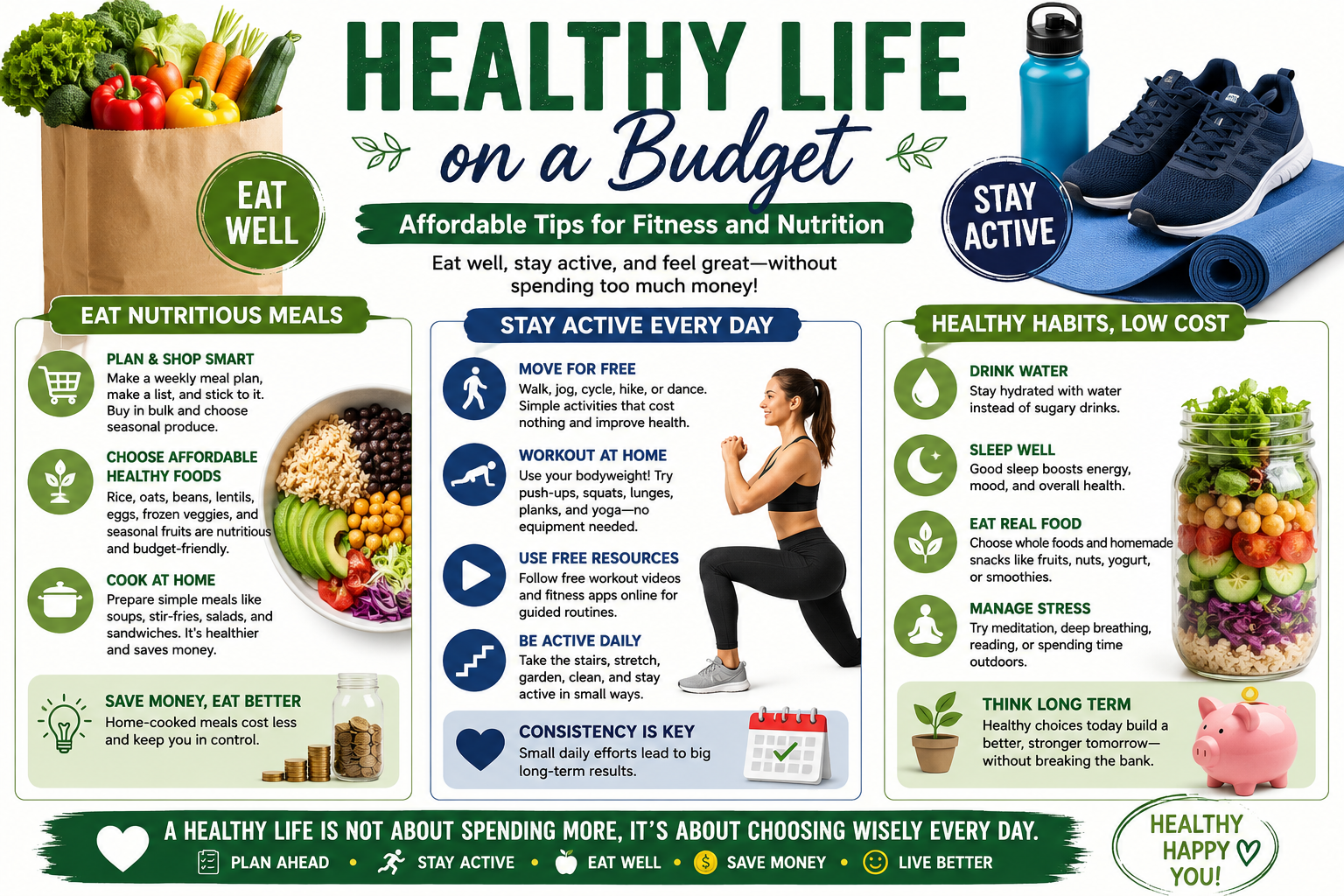
Healthy growth is not only about getting taller or stronger during childhood. It is a lifelong process that affects physical health, mental well-being, energy levels, and overall quality of life. Scientific research consistently shows that the choices people make every day — including diet, exercise, sleep, and emotional care — can shape their future health in powerful ways.
From children developing healthy bones to adults maintaining mental sharpness and seniors improving mobility, healthy habits play a critical role at every stage of life. Understanding the science behind these habits can help people build a stronger and healthier future.
The Role of Balanced Nutrition in Healthy Growth
Nutrition is one of the most important foundations of growth and development. The body needs essential nutrients such as proteins, carbohydrates, healthy fats, vitamins, and minerals to function properly.
Proteins help repair tissues and build muscles, while calcium and vitamin D support strong bones and teeth. Fruits and vegetables provide antioxidants that protect the body from disease and strengthen the immune system. Healthy fats, such as omega-3 fatty acids, are important for brain development and heart health.
Poor eating habits, including excessive processed foods and sugary drinks, may increase the risk of obesity, diabetes, heart disease, and nutrient deficiencies over time. On the other hand, balanced meals improve concentration, energy, and long-term wellness.
Simple healthy eating habits include:
- Eating fresh fruits and vegetables daily
- Drinking enough water throughout the day
- Limiting junk food and excessive sugar
- Choosing whole grains over refined foods
- Including protein-rich foods in meals
Healthy nutrition during childhood and adolescence is especially important because these years are critical for physical and cognitive development.
Exercise and Physical Activity Build a Stronger Body
Regular physical activity is essential for healthy growth at every age. Exercise improves muscle strength, heart function, flexibility, and bone density. It also helps regulate body weight and supports mental health.
Scientific studies show that exercise stimulates the release of endorphins, chemicals in the brain that improve mood and reduce stress. Physical activity can also improve memory, focus, and sleep quality.
Children and teenagers benefit from outdoor play, sports, cycling, and active games because these activities support bone growth and coordination. Adults can maintain long-term health through walking, jogging, strength training, yoga, or swimming.
Benefits of regular exercise include:
- Improved heart and lung health
- Stronger muscles and bones
- Better mood and reduced anxiety
- Increased energy and stamina
- Lower risk of chronic diseases
Even small daily activities such as walking for 30 minutes or stretching regularly can make a significant difference over time.
Emotional Health and Mental Well-Being Matter
Healthy growth is not only physical — emotional and mental health are equally important. Stress, anxiety, and negative emotions can affect sleep, eating habits, immune function, and even physical development.
People who manage stress effectively often experience better concentration, healthier relationships, and improved physical wellness. Positive emotional health supports brain function and encourages healthy decision-making.
Some science-backed ways to improve emotional well-being include:
- Practicing mindfulness or meditation
- Spending time with supportive family and friends
- Taking breaks from excessive screen time
- Getting enough sleep every night
- Talking to professionals when mental stress becomes overwhelming
Children who grow up in emotionally supportive environments often develop stronger confidence and social skills. Adults who prioritize emotional health are also more likely to maintain healthier lifestyles.
Healthy Daily Routines Create Long-Term Benefits
Daily routines may seem small, but over time they shape long-term health outcomes. Consistent sleep schedules, healthy eating patterns, hydration, and regular movement help the body maintain balance and function efficiently.
Sleep is especially important because the body repairs itself during rest. Growth hormones are released during deep sleep, making quality rest essential for children and teenagers. Adults also benefit from sufficient sleep because it supports memory, immunity, and emotional regulation.
Healthy routines that support growth include:
- Sleeping 7–9 hours each night
- Staying physically active every day
- Eating meals at regular times
- Drinking enough water
- Reducing unhealthy habits such as smoking or excessive alcohol consumption
These routines help lower the risk of chronic illnesses and improve overall well-being throughout life.
The Long-Term Impact of Healthy Lifestyle Choices
The science behind healthy growth shows that small choices made consistently over time can shape future health outcomes. People who adopt healthy habits early in life often experience stronger immunity, better mental health, improved physical fitness, and a lower risk of disease as they age.
Healthy living is not about perfection. It is about creating sustainable habits that support both the body and mind. Whether someone is a child learning healthy eating habits or an adult trying to improve daily wellness, positive lifestyle choices can lead to long-lasting benefits.
Investing in balanced nutrition, physical activity, emotional wellness, and healthy routines today can help build a healthier, happier, and more energetic future for years to come.