

Category: Nutrition · Microbiome · Preventive Medicine
Introduction
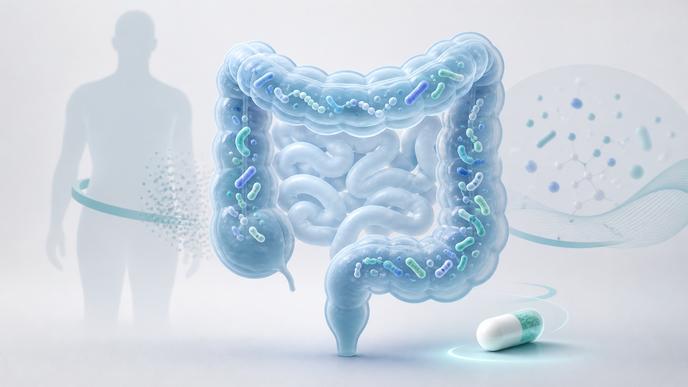
🦠 What if microorganisms did not need to be alive to offer potential health benefits? This intriguing idea is attracting attention in microbiome research, where scientists are investigating postbiotics—preparations containing inactivated microorganisms and their components that may benefit human health.
For years, probiotics and prebiotics have dominated conversations about digestive wellness. Probiotics are beneficial live microorganisms, while prebiotics are substances, often specific types of dietary fibre, that microorganisms can use. Postbiotics introduce another possibility: certain microbial cells, cellular components, and substances produced during microbial activity may have useful biological effects even when the microorganisms are no longer alive.
Researchers are exploring whether postbiotics could help support the intestinal barrier, influence immune responses, improve digestive comfort, and contribute to metabolic health. Their potential stability also makes them interesting for food science and supplement development.
However, an important distinction must be made. Postbiotics are a promising area of research, not a universal solution for gut problems. Their effects depend on the specific preparation, its composition, dosage, and the population being studied.
This article examines what postbiotics are, how they may work, what scientific evidence suggests, and how to evaluate their potential role in everyday nutrition.
What Exactly Are Postbiotics? 🔬
Postbiotics are preparations made from microorganisms that have been deliberately inactivated, along with components of those microorganisms, that provide a demonstrated health benefit to the person receiving them.
This definition was established by the International Scientific Association for Probiotics and Prebiotics (ISAPP) in a scientific consensus statement published in 2021. It helps distinguish postbiotics from other products that simply contain microbial substances.
In simple terms, scientists grow selected microorganisms, process them to inactivate the cells, and develop a preparation that may retain useful biological properties.

The important point is that inactivation does not necessarily destroy every biologically active component of a microorganism. Cell walls, proteins, surface structures, and other components can remain capable of interacting with human cells after the original microorganism is no longer alive.
Depending on how they are produced, postbiotic preparations may contain:
- Inactivated microbial cells: Microorganisms that have been killed through a controlled process.
- Cellular components: Structures such as cell-wall components and surface proteins that can interact with the immune system.
- Microbial metabolites: Certain substances generated during microbial growth or fermentation may remain in the preparation and contribute to its effects.
- Other microbial material: Additional components may be present depending on the manufacturing process and the original microbial strain.
Not every microbial product qualifies as a postbiotic under the ISAPP definition. For example, a purified microbial metabolite by itself, without the required microbial cells or cellular components, is not considered a postbiotic under that definition.
This distinction matters because products marketed under similar names may have very different compositions and levels of scientific evidence.
Postbiotics vs Probiotics vs Prebiotics 🌿
The terms probiotic, prebiotic, and postbiotic describe different approaches to influencing the relationship between microorganisms and the human body.

Probiotics — beneficial live microorganisms
These are living microorganisms that provide a health benefit when administered in adequate amounts. Their effects depend on the strain, dose, and intended use.

Prebiotics — substances used by beneficial microbes
Certain dietary fibres and other substrates are selectively used by microorganisms and can benefit the host. Examples of prebiotic ingredients include inulin and some fructooligosaccharides.

Postbiotics — beneficial preparations of inactivated microbes
These contain inanimate microorganisms or their components and must have a demonstrated health benefit. They may work through interactions with the gut lining, immune system, or other biological pathways.
These approaches are not necessarily competitors. A varied, fibre-rich diet can support the activity of the existing gut microbiome, while a specific probiotic or postbiotic preparation may offer additional benefits in particular circumstances.
However, taking all three together does not automatically produce better results. Their usefulness depends on the individual, the product, and the health outcome being targeted.
How Can Inactive Microbes Influence Gut Health? 🧫
The digestive tract is lined by a complex barrier that separates intestinal contents from underlying tissues. This barrier must allow nutrients to be absorbed while limiting the passage of harmful substances and microorganisms.
Postbiotics are being studied because certain microbial components can interact with cells in this lining and influence biological processes even without microbial growth.

Supporting the intestinal barrier
The intestinal barrier consists of epithelial cells, connections between neighbouring cells called tight junctions, a protective mucus layer, and immune defences.
Some laboratory and animal studies suggest that particular postbiotic preparations may influence tight-junction proteins, mucus production, and signalling pathways involved in maintaining the intestinal lining.
These effects could theoretically help preserve the barrier and regulate its permeability. However, findings from laboratory experiments cannot automatically be translated into clinical benefits for people.
A 2026 review of postbiotics describes several proposed mechanisms involving epithelial-barrier integrity and immune signalling, while emphasizing that stronger clinical evidence is still needed.
Influencing digestive comfort
Digestive discomfort can involve several processes, including intestinal sensitivity, bowel movement patterns, gas production, and communication between the gut and nervous system.
Researchers have investigated whether particular inactivated bacterial preparations can help people with symptoms of irritable bowel syndrome (IBS), a condition associated with abdominal pain and changes in bowel habits.
One notable randomized, double-blind, placebo-controlled study involving 443 people reported improvements in IBS-related symptoms with a heat-inactivated preparation of Bifidobacterium bifidum MIMBb75. This is encouraging evidence for that particular preparation, not proof that all postbiotics treat IBS.
A systematic review and meta-analysis presented at a 2025 gastroenterology conference also reported promising findings for postbiotics in IBS. However, it included only four randomized controlled trials, and the preparations and study methods differed. The results therefore require careful interpretation and further confirmation.
Interacting with the gut microbiome
The gut microbiome contains a large community of bacteria and other microorganisms that interact with food, intestinal cells, and the immune system.
Postbiotics may influence the local environment through their cellular components or retained microbial products. Researchers are investigating whether these interactions affect the activity of resident microbes and the conditions in which they function.
Nevertheless, postbiotics do not necessarily increase the number or diversity of live beneficial bacteria. Their potential effects may instead arise from direct interactions with the host or from changes in microbial activity.
For this reason, measuring the number of beneficial bacteria alone may not be enough to determine whether a postbiotic improves gut health.
Can Postbiotics Support Immune Function? 🛡️
The gut is an important site of immune activity. It encounters food proteins, environmental substances, resident microorganisms, and potentially harmful pathogens every day. The intestinal immune system must respond appropriately to threats without triggering unnecessary inflammation.
Postbiotics are being studied as a way to influence this balance.

Communicating with immune cells
Certain microbial structures can interact with receptors on intestinal and immune cells. These interactions may influence the production of cytokines, chemical messengers that coordinate immune responses.
Depending on the microbial strain and preparation, these signals may promote different immune responses. Some experimental studies suggest that selected postbiotics can influence inflammatory pathways and help regulate immune activity.
However, immune modulation does not always mean inflammation decreases. A biological preparation might stimulate some immune functions while suppressing others, and the outcome depends on the context.
Supporting the body’s natural defences
Researchers are examining whether selected postbiotic preparations can influence the activity of immune cells and support the body’s response to common infections.
Some human studies have investigated inactivated microbial preparations in relation to respiratory symptoms and other immune-related outcomes. Yet results from one microbial strain cannot be assumed to apply to another.
A product that has demonstrated a benefit for a particular immune outcome may not prevent infections, eliminate pathogens, or improve every aspect of immune function.
Potential relevance to inflammatory conditions
Persistent inflammation is associated with several chronic conditions, but inflammation has many causes. Researchers are therefore investigating whether postbiotics can influence inflammatory signalling in the gut and elsewhere in the body.
A systematic review published in 2025 examined 39 studies of postbiotic preparations in inflammatory conditions. It identified promising biological effects but also highlighted differences between preparations, study designs, and levels of evidence.
The key takeaway: postbiotics may influence immune signalling, but they should not be described as immune boosters that work for everyone.
Postbiotics and Metabolic Health: What Does Research Say? ❤️
The gut microbiome is connected to several processes involved in metabolism, including the handling of dietary nutrients, glucose regulation, lipid metabolism, and inflammatory signalling.
This has prompted researchers to investigate whether postbiotic preparations could eventually contribute to the prevention or management of metabolic disorders.

Blood glucose and insulin regulation
Insulin helps move glucose from the bloodstream into cells. When the body becomes less responsive to insulin, blood glucose regulation can deteriorate, increasing the risk of type 2 diabetes.
Certain postbiotic preparations are being investigated for their possible effects on insulin-related pathways and metabolic inflammation. However, laboratory findings do not establish that these products can prevent or treat diabetes.
A systematic review and meta-analysis published in Nutrition & Metabolism in November 2025 examined 25 randomized controlled trials of postbiotic supplementation for obesity and metabolic health. The authors reported reductions in some measures, including serum insulin, triglycerides, waist circumference, and C-reactive protein, a marker of inflammation.
However, the analysis did not find statistically significant improvements in fasting blood glucose, HbA1c, body weight, or body mass index.
These findings suggest that certain postbiotic preparations may influence selected metabolic markers, but the evidence does not establish them as treatments for diabetes or obesity.
Cholesterol and cardiovascular risk factors
Triglycerides and other blood lipids are important indicators of metabolic health. Researchers are investigating whether microbial preparations can affect lipid metabolism through interactions involving the gut, liver, and immune system.
The 2025 meta-analysis found a modest reduction in triglyceride levels, but this result should not be interpreted as proof that postbiotics prevent heart attacks or strokes.
Cardiovascular health depends on multiple factors, including blood pressure, cholesterol, smoking, physical activity, diet, and blood glucose. Postbiotics cannot replace established approaches to managing these risks.
Weight management
Some experimental research suggests that microbial signalling may influence energy regulation, appetite-related pathways, and fat metabolism.
Nevertheless, the clinical evidence is not strong enough to recommend postbiotic supplements as a reliable weight-loss strategy. In the 2025 meta-analysis, overall changes in body weight and BMI were not statistically significant.
A balanced diet, regular physical activity, sufficient sleep, and appropriate medical care remain the foundation of healthy weight management.
Why Are Researchers Interested in Inactive Microbes? 🧪
One major reason is that inactivated microorganisms may offer practical advantages in manufacturing and product development.
Live probiotics can be sensitive to temperature, humidity, oxygen, and storage conditions. Maintaining adequate numbers of viable cells throughout a product’s shelf life can require specialised formulation and storage.
Postbiotic preparations may be more stable because their intended activity does not depend on the microorganisms remaining alive.
Potential advantages include:
- Storage stability: Some preparations may tolerate storage conditions better than comparable live-microbe products.
- Manufacturing flexibility: Controlled inactivation can make it easier to incorporate microbial preparations into certain foods and formulations.
- Reduced reliance on microbial survival: The intended benefit may not require the microorganisms to remain viable until consumption.
- New product possibilities: Researchers can investigate specific microbial components and processing methods to create preparations with defined characteristics.
These are potential advantages, not guarantees. Postbiotics can still degrade during storage, and their stability depends on the formulation, processing method, packaging, and environmental conditions.
How are postbiotics made?
Select a characterised microorganism
Identify the strain and investigate its biological properties.
Grow the microorganism under controlled conditions
Monitor the culture and production environment.
Inactivate the microbial cells
Use a validated method, such as controlled heat treatment, while preserving relevant components.
Test safety, composition, and biological activity
Confirm the preparation meets quality standards and supports its intended health claim.
The inactivation process is especially important. Excessive heat or other harsh processing conditions may damage some useful components, while insufficient processing may leave viable microorganisms behind.
Manufacturers must therefore characterise the preparation and validate the process rather than assuming that all inactivated bacteria will produce the same result.
Can You Get Postbiotics From Everyday Foods? 🥣
Food is an important part of the relationship between the gut microbiome and human health. However, it is necessary to distinguish foods that support microbial activity from products that meet the scientific definition of a postbiotic.


Fermented foods
Yogurt, curd, kefir, and other fermented foods can contain live microorganisms or microbial products generated during fermentation.
Some fermented products undergo heat treatment after fermentation, which reduces or eliminates viable microorganisms. Such a product is not automatically a postbiotic: its microbial composition, processing, and demonstrated health benefits must meet the relevant criteria.
Fermented foods may still contribute to a nutritious diet, even when they do not qualify as postbiotics.
Traditional Indian foods
Many Indian foods are prepared through fermentation, including idli and dosa batter, dhokla, and certain fermented regional preparations.
These foods can contribute nutrients and dietary variety. However, their microbial communities and preparation methods vary, so it is not scientifically accurate to classify every fermented Indian food as a postbiotic source.
Fibre-rich foods and microbial activity
Foods such as oats, lentils, chickpeas, beans, vegetables, fruits, and whole grains provide dietary fibre. Some fibres are fermented by gut microorganisms, generating substances such as short-chain fatty acids.
These microbial metabolites are important in gut physiology. Nevertheless, a purified metabolite alone is not a postbiotic under the ISAPP consensus definition.
For everyday gut health, a varied diet containing sufficient fibre is a practical starting point. It supports normal digestive function and provides substrates that gut microorganisms can use.
Important: you do not need to buy a specialised postbiotic supplement to begin supporting your gut health through nutrition.
How to Choose a Postbiotic Supplement Safely 🛒
Postbiotic products are becoming more visible in the nutrition and wellness market, but the word postbiotic on a label does not establish that a product is effective.
If you are considering a supplement, evaluate the following points.
Look for the specific microorganism or preparation
Reliable product information should identify the microbial strain or source material and describe the preparation clearly.
Check the intended health benefit
Evidence for digestive comfort, for example, does not automatically support claims about immunity, blood glucose, or weight loss.
Examine dosage and quality information
Check the amount per serving, storage requirements, expiry date, manufacturer, and available quality-control information.
Be cautious about exaggerated promises
Claims to cure IBS, reverse diabetes, eliminate inflammation, or guarantee weight loss require particularly strong evidence and should not be accepted on marketing language alone.
People who are pregnant, breastfeeding, immunocompromised, managing chronic illness, or taking regular medication should seek appropriate professional advice before starting a new supplement. A preparation’s safety depends on its ingredients, intended use, and individual circumstances.
Although inactivation can reduce certain risks associated with live microorganisms, it does not automatically make every preparation safe. Product quality, residual biological activity, allergens, and contamination risks still matter.
What Are the Current Research Gaps? 🔍
Despite increasing scientific interest, several questions remain unanswered.
Standardisation: Studies use different strains, inactivation methods, doses, and formulations. This makes it difficult to compare findings or recommend a universal dosage.
Long-term safety: Many studies are relatively short. More research is needed to understand the effects of prolonged use and identify uncommon adverse reactions.
Mechanisms of action: Scientists are still working to determine which microbial components produce particular effects, how those components interact with human cells, and whether proposed mechanisms explain benefits observed in clinical trials.
Clinical relevance: A change in a laboratory marker does not necessarily lead to a meaningful improvement in symptoms, quality of life, or disease risk.
Individual differences: Age, dietary habits, underlying health conditions, medications, and existing microbiome characteristics may influence how a person responds to a particular preparation.
A 2026 review of clinical postbiotic research highlighted the need for better reporting of microbial identity, inactivation methods, administered quantities, and quality-control procedures. These details are essential for reproducibility and meaningful comparison between products.
Future studies should include larger and more diverse populations, well-designed randomised controlled trials, appropriate comparison groups, and longer follow-up periods.
The Future of Postbiotics in Preventive Medicine 🌍
Postbiotics could eventually become useful components of targeted nutrition and preventive healthcare. Their potential applications extend beyond digestion to the study of immune regulation, metabolic health, and interactions between the gut and other organs.
Researchers may be able to develop preparations for specific needs, such as digestive symptoms or selected metabolic risk factors, if clinical trials demonstrate reliable benefits.
Another promising direction is precision nutrition. Rather than assuming one supplement works for everyone, future research may investigate how particular microbial preparations interact with dietary patterns and individual biological characteristics.
However, personalised postbiotic recommendations remain an emerging concept. Routine microbiome testing does not currently provide a universally validated method for selecting the best postbiotic for every individual.
The most useful developments will come from evidence that connects a clearly characterised preparation to a specific, measurable health benefit.
Conclusion: Are Postbiotics Worth the Attention?
Postbiotics offer an interesting scientific perspective: microbial health effects do not always require microorganisms to remain alive.
Research suggests that certain inactivated microbial preparations may support intestinal-barrier function, influence immune signalling, and improve selected digestive symptoms. Early findings also suggest possible effects on some metabolic markers, although the results vary by preparation and outcome.
At the same time, the evidence remains uneven. Benefits demonstrated for one strain or formulation cannot be assumed for another, and promising laboratory findings do not necessarily translate into meaningful clinical improvements.
For now, the most sensible approach is to prioritise a varied, fibre-rich diet, regular physical activity, adequate sleep, and appropriate medical care. Postbiotic supplements may eventually offer additional benefits for particular groups, but they should be evaluated according to the quality of the evidence rather than marketing claims.
The central message is simple: inactive microbes may still have biological value, but their health benefits must be demonstrated for each specific preparation.